
Color is an incredibly powerful and important tool in motion design and animation, delivering a real impact that can evoke emotions and immerse audiences like nothing else. Think of an animated movie or piece of media that stirred up some emotion for you. Maybe it is Pixar’s Inside Out or Ratatouille, which both mastered color theory to tell their stories. In this post, we’re going to break down how you can harness some of those color theory secrets for your own work. By doing so, you’ll elevate your storytelling game, letting colors convey emotions and plot details that words and actions can’t. It can transform your project to be more memorable, emotional, and impactful. So, get ready to amaze audiences with your color knowledge!
1. Understand color theory and the color wheel
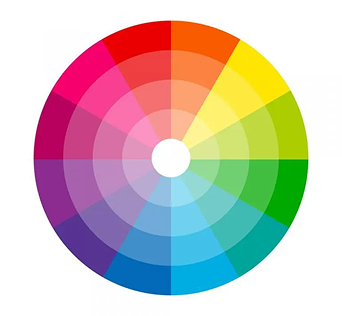
Before you dive head first into the world of color, you first need to get familiar with color theory and the color wheel. Color theory is the magical mix of science and art that uses colors to stir up different moods, feelings, and meanings in visual media. In short, it’s how you make your stories more engaging, expressive, and memorable. This is where the color wheel comes into play, your handy guide that shows the relationships between primary, secondary, and tertiary colors, helping you visualize and understand how different colors interact and combine. Here’s an example of a color wheel down below:
2. Find a color scheme
Once you’ve studied the color wheel and can imagine which colors work well together, you can start thinking of the colors that would work for your next project. A color scheme is a collection of hues that create a specific aesthetic or mood, typically based on their relationships on the color wheel. There are several types of color schemes you can explore:
Monochromatic schemes use different shades, tints and tones of a single color. They feel simple, elegant and calm, which makes them a good fit for corporate pieces, meditative moments or a clean, modern brand. The challenge is keeping things readable, so lean on contrast in lightness to separate your foreground from your background.
Analogous schemes use colors that sit next to each other on the wheel, like yellow, orange and red. Because they share undertones, they blend into a warm, harmonious whole, perfect for sunsets, nature scenes or anything that should feel comfortable and natural.
Complementary schemes pair colors from opposite sides of the wheel, like blue and orange. The contrast is striking and full of energy, which is why it’s so common in action scenes and movie posters. Use one color as the main tone and the other as an accent, or the two will fight for attention.
Triadic schemes use three colors evenly spaced around the wheel. They’re vivid and playful while still feeling balanced, a natural choice for kids’ content and lively explainers. Let one color lead and use the other two for supporting details.
Tetradic schemes use four colors that form two complementary pairs. They offer the richest palette of all, but they’re the hardest to balance. Pick one dominant color, keep the others for smaller areas, and watch out for visual overload.
It’s important to match your chosen color scheme with the desired effect for your project. For instance, if your goal is to convey peace and simplicity, opting for a complementary scheme might create a discordant or unsettling vibe for your viewers. Choose wisely to achieve the impact you envision!

3. Hone color associations and meanings
It’s no secret that we associate different colors with different feelings, emotions, and contexts. For example, we tend to relate red with passion, love, or even anger and frustration. Understanding these color connotations helps reinforce your story’s themes and messages. Generally, warmer colors like red evoke excitement and urgency, while cooler tones create a sense of relaxation and mystery.
Finding the right balance between warm and cool hues in your color scheme is crucial for aligning with your story’s narrative. However, navigating color meanings isn’t straightforward; interpretations can vary across cultures. For example, white in some cultures signifies purity and cleanliness, while in others it can signify death and mourning. So be sure to keep your target audience in mind when selecting colors for your design. It’s a delicate balance, but getting it right enhances your storytelling impact significantly.
4. Think about color harmony and contrast
How your colors blend and complement each other is just as crucial as their individual meanings. In fact, how colors contrast and harmonize can profoundly impact a scene. Harmony refers to the seamless blending of colors, while contrast highlights differences to emphasize key elements and create visual impact. Striking a balance between the two helps create a pleasing, consistent, and unified look to enhance the mood and atmosphere in a scene.
Even with a consistent color scheme throughout your project, the balance of harmony and contrast can evolve. This evolution depends on which elements you wish to emphasize as your story progresses. Throughout your project, adjust the value, saturation, temperature, and tint of the color to achieve the desired effects you want. This flexibility allows you to craft scenes that not only look appealing but also effectively communicate your narrative.
5. Leverage color psychology

Lastly, color psychology plays into those color associations to really bring out the emotion within the viewer. However, it’s not just about what the colors signify, it’s how the colors affect the thoughts, feelings, and actions of both the viewers and characters. Mastering color psychology sets the scene’s mood from the get-go, shaping character personalities, hinting at story arcs, and weaving symbolic threads throughout your narrative. Using color psychology effectively combines all of the above tips to infuse your project with emotional impact. It will also help create a coherent and appealing visual composition that contributes to your main message. While mastering color psychology may seem daunting, once you grasp its nuances, you’ll craft projects that really pack an emotional punch.
How we use color at Pixeldust
Color is often the first decision we make on a project, because it shapes how the audience will feel before they understand a single detail.

For WebMD’s explainer on mantle cell lymphoma, we chose a bright, cool palette of soft pinks and purples. Medical animation doesn’t have to be dark, and a light-filled look made a frightening diagnosis feel calmer and easier to face.

For WebMD’s Journey of Migraine, we did the opposite: an almost black-and-white, engraving-style world with a single bold accent color. Because everything else is gray, that one color tells you exactly where to look, whether it’s the sinuses during a migraine or the statistics on screen.
And for A&E’s Florida Heat, the title design leans into saturated oranges and reds, so the name of the show and the color of the screen say the same thing: heat.
Tips and tricks to find inspiration
So where do you go from here? There are literally infinite color combinations and possibilities you can choose for your animation project. Below, we’ve outlined some ways to find inspiration and some tools you can use to get you started on the right track.
- If you’re looking for a straightforward process to follow, begin by choosing a color scheme, then build a palette, and finally craft a color script for your story. A color script acts like a roadmap, outlining the color scheme, lighting, and mood for each scene or shot in your animation. This not only ensures consistency but also allows you to fine-tune your color choices before diving into animation.
- Draw inspiration from nature. Natural environments offer rich contrasts and harmonies that can bring realism and immersion to your scenes.
- Photos also do a great job at capturing natural color combinations and ignite your creativity when you’re feeling stuck.
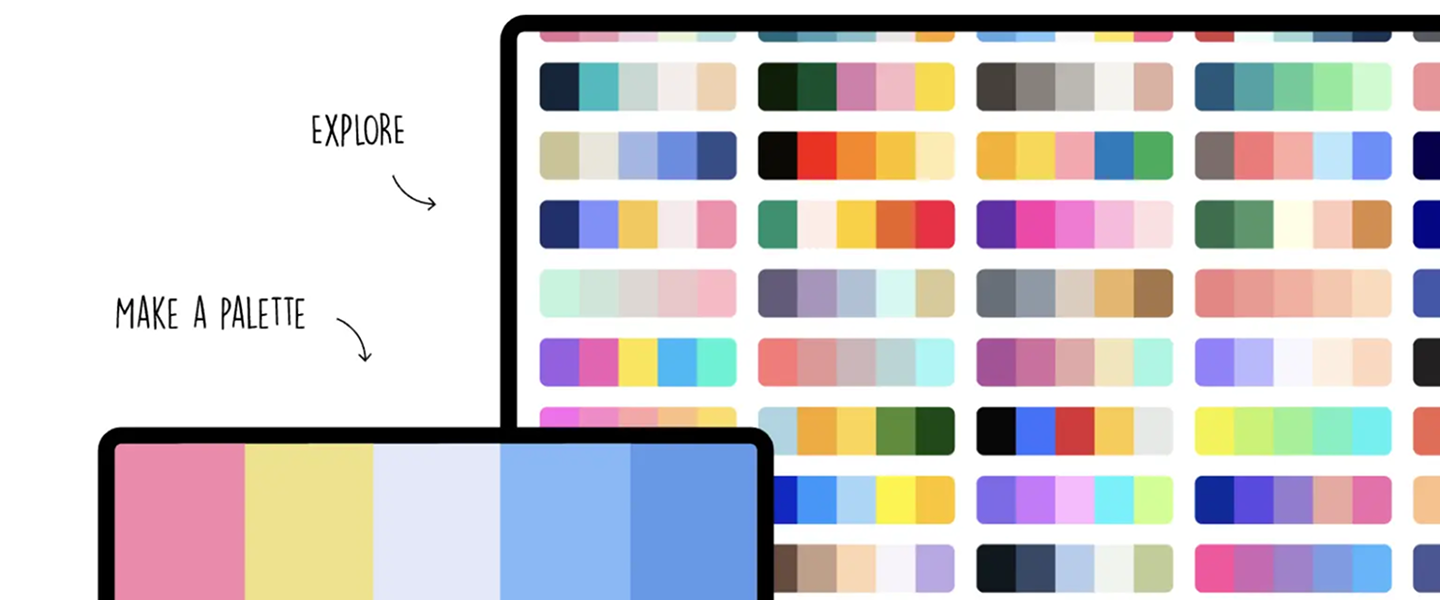
- For a little digital assistance, try online tools like Adobe Color or Coolors.co. With this technology, you can generate your own palettes and even generate some from uploaded images. Explore their libraries for additional palette ideas shared by other users—a great way to find fresh inspiration and refine your color choices.
With these resources at your fingertips, you’re well-equipped to bring your animation’s color palette to life with creativity and confidence!
FAQ
How many colors should an animation palette have?
Most palettes work best with a few main colors plus a handful of supporting shades. Start with one dominant color, one or two secondary colors and one accent, then add lighter and darker versions of each for depth.
What is a color script?
A color script is a sequence of small color sketches, one for each scene, that maps how the color and mood change over the whole story. It lets you see the emotional arc of the piece before any animation is made.
How do brand colors fit into an animation?
Brand colors usually become the core of the palette, with supporting colors added for backgrounds, shading and accents. The goal is to stay recognizably on-brand while giving the animation enough range to tell a story.
Conclusion
Planning out your color scheme and understanding color theory are pivotal in shaping your animation project into a memorable experience for your audiences. Colors have the unique ability to evoke emotions, convey symbolism, and communicate powerful messages without uttering a single word or action from characters. As artist Paul Klee put it, “Color is the place where our brain and the universe meet.” This connection allows you to deeply engage with your viewers and create something that resonates with them long after the screen fades to black.

Planning a project where color has to carry the story? See our motion graphics work, or tell us about your project.