Work/Case study

2D Medical Explainers

ClientWebMD
Project2D Medical Explainers
Production partner
Timecode00:00:00:00
01 — Overview

One body for every patient. For WebMD's 2D medical explainers, Pixeldust designed a clean, universal medical-journal style that lets the information, not the illustration, do the talking.

Health information only helps if people can follow it. WebMD came to Pixeldust for a design refresh of its 2D medical explainers: a clean, simple look with a contemporary, modern feel. A key request was a way to portray the human body neutrally, so a single figure would work for both female and male bodies without leaning toward either.

Pixeldust breaks complex concepts down and presents them in a friendly, conversational, accessible way. After exploring several 2D animation styles, the team landed on a precise, medical-journal sketch style that now carries a long series of high-quality 2D explainers for WebMD.

Watch the redesign — WebMD 2D Medical Explainers
02 — The work

Designing a 2D medical animation style

The brief: a neutral human figure

WebMD wanted a new, clean and simple look with a modern feel, and a human figure that reads as neither male nor female, so one body could represent every viewer.

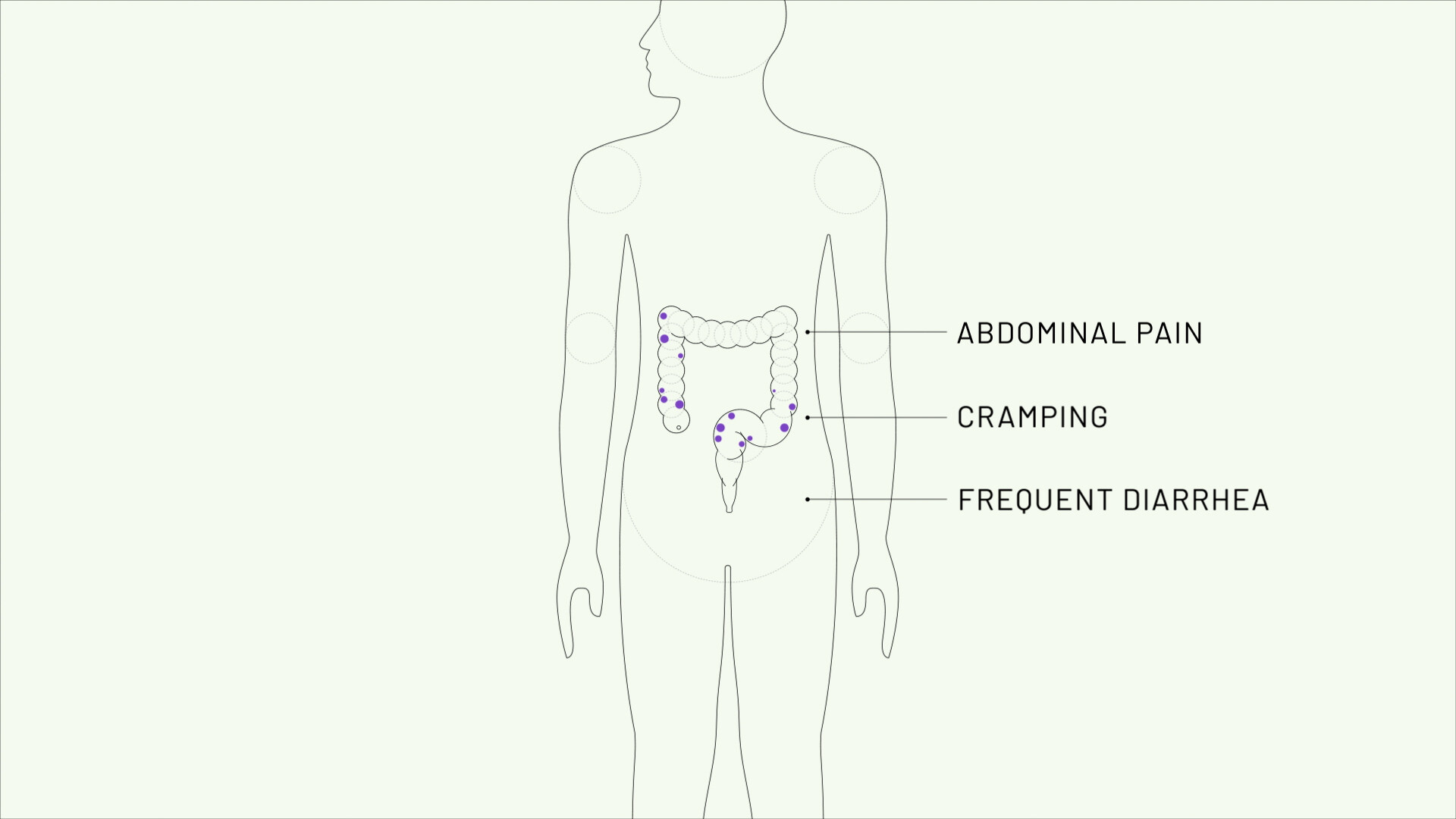
Gender-neutral 2D body showing the digestive tract
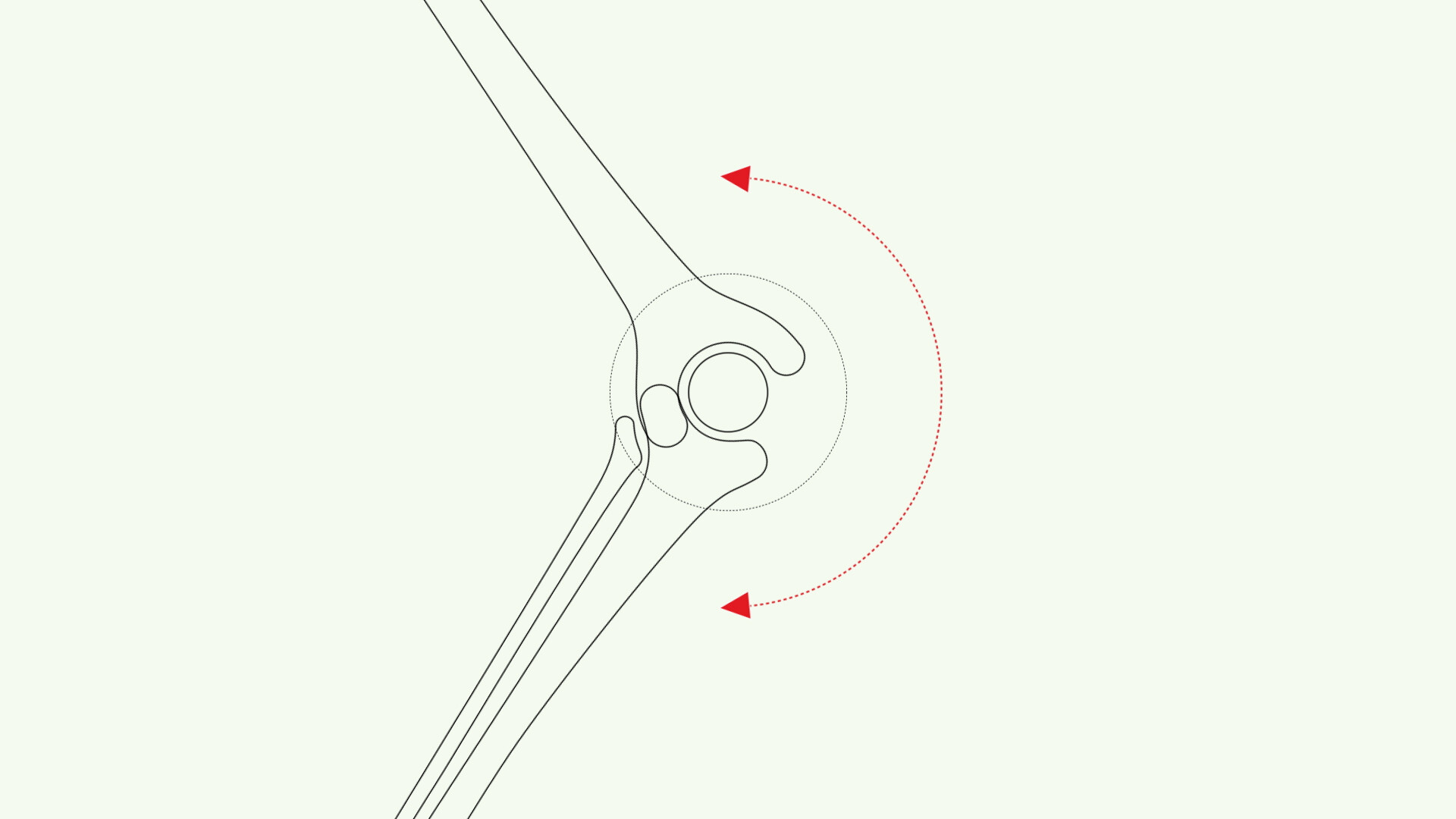
Joint damage shown on the neutral figure
Knee joint damage shown on the neutral figure
Medical-journal style 2D explainer frame
Watch
Exploring 2D animation styles

The brief let Pixeldust explore a wide variety of 2D animation styles. The priority was simplicity, so nothing would distract from the important information on screen. To gauge what would work best for WebMD, the creative director and designers developed distinct styles ranging from watercolor painting and medical sketches to floral decoration and even newspaper cutouts.
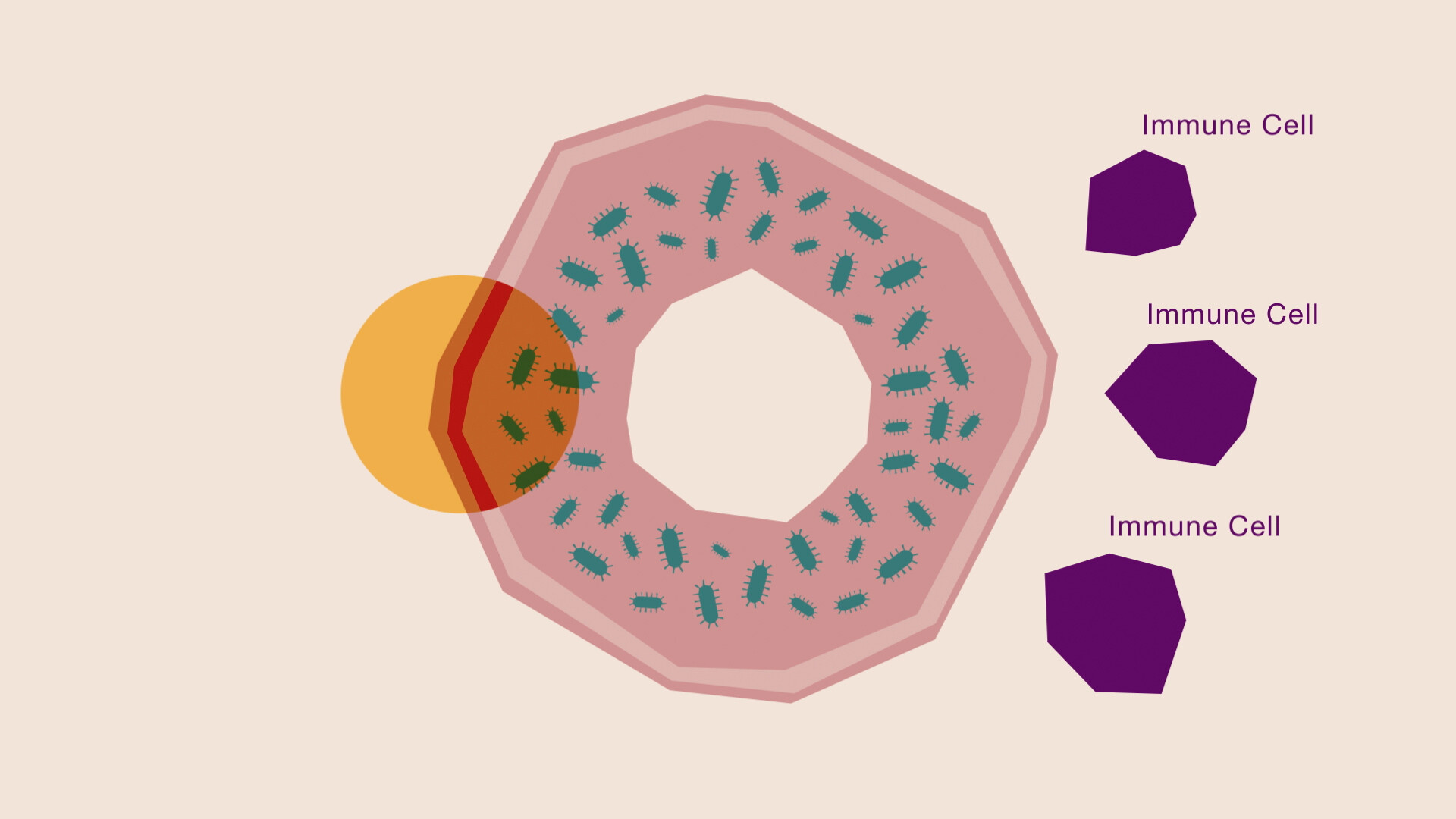
Style exploration: cell illustration with immune cells
Style exploration: inflammation close-up
Style exploration: line-drawn body with symptoms
Style exploration: ulcerative colitis
Watch
A medical-journal sketch style

The final concept prioritized cleanliness and was based on the sketch diagrams of medical journals: precise illustration with the shading pulled back for simplicity. The clean lines of the body leave plenty of room for the colored spots that mark affected areas and for the text that comes on screen.
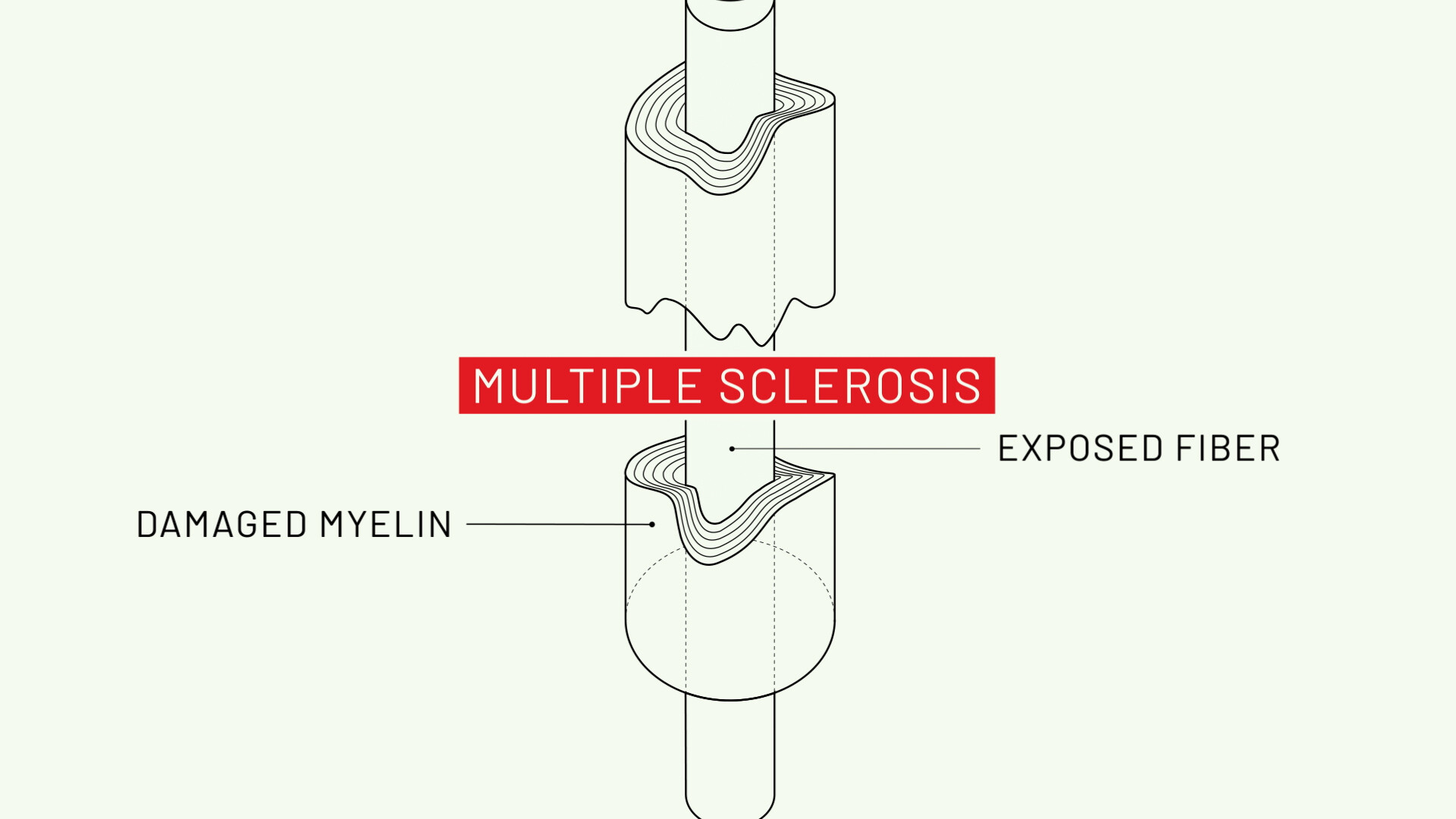
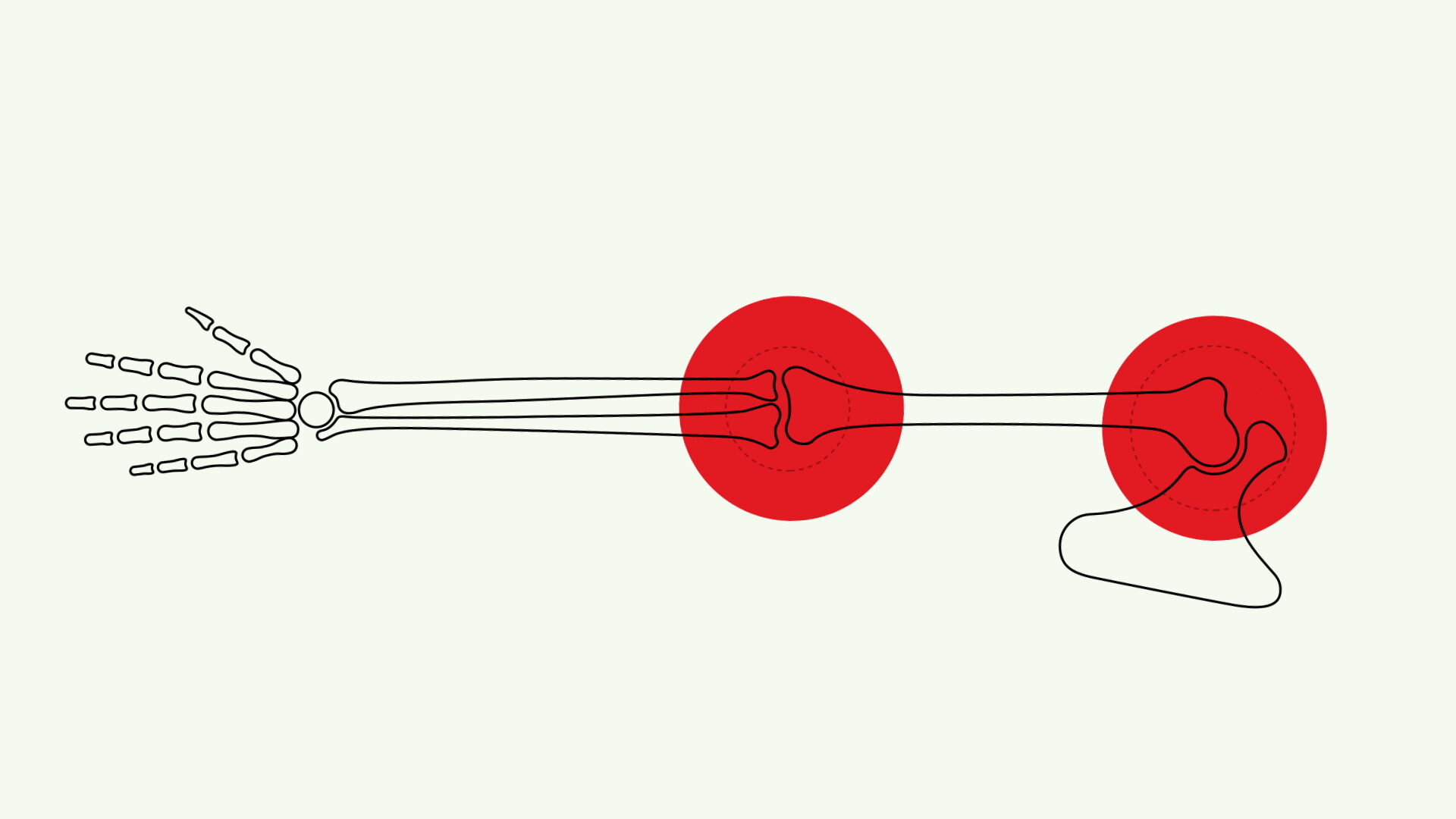
Multiple sclerosis explainer: damaged myelin
Nerve signal explainer in the final style
Watch
A series that's easy to follow

The result is a simple, contemporary look that is beautiful and easy to follow, now used across a long series of 2D medical explainers for WebMD, like this one on the types of relapsing multiple sclerosis.

Damaged myelin shown in the WebMD multiple sclerosis explainer
Watch
03 — Stills

Frames from the series

Ready to start your project? — Let's make it happen. →