

Commissioning custom animation for your business is a significant investment, and understanding the bidding process helps ensure you get the best results for your budget. Whether you need a 30-second explainer video, a full medical animation series, or motion graphics for a marketing campaign, the process of soliciting and evaluating animation bids follows a predictable path. In 2026, with AI tools accelerating parts of the production pipeline, understanding what goes into a bid is more important than ever — because knowing where human expertise adds irreplaceable value helps you evaluate proposals intelligently and avoid costly misunderstandings.
These five essential steps will guide your planning process when setting out to get a bid from an animation company:
Define Your Project Scope
The most important step happens before you contact a single studio. Clearly defining your project scope — target audience, key messages, desired length, visual style preferences, and delivery timeline — gives studios the information they need to provide accurate estimates. A vague brief leads to vague bids, which leads to scope creep and budget overruns. You do not need to have every detail figured out, but you should know your objectives, where the animation will be used, and any technical requirements like specific file formats or accessibility standards. The more specific your brief, the more accurately studios can price the work.

Evaluate the Studio, Not Just the Price
When comparing bids, the lowest price rarely represents the best value. Look at each studio’s portfolio for work similar to your project in style, complexity, and industry. Ask about their production process, revision policies, and who will actually be working on your project — at smaller studios you often get senior talent directly, while at larger shops your project may be handed to junior artists. Check references and ask about their track record on deadlines. A studio that consistently delivers on time and on budget at a slightly higher price point is almost always a better investment than one offering a bargain with no track record to back it up.
A professional animation bid should break down costs by production phase: concept development, storyboarding, asset creation, animation, sound design, and revisions. This transparency lets you see where your budget is being allocated and identify potential savings. Some studios offer fixed-price bids while others work on a time-and-materials basis — each has advantages depending on how well-defined your project is. At Pixeldust, we provide detailed proposals that clearly outline deliverables, timelines, and costs for each phase, so our clients always know exactly what they are investing in and what they will receive.
Understand What You Are Paying For
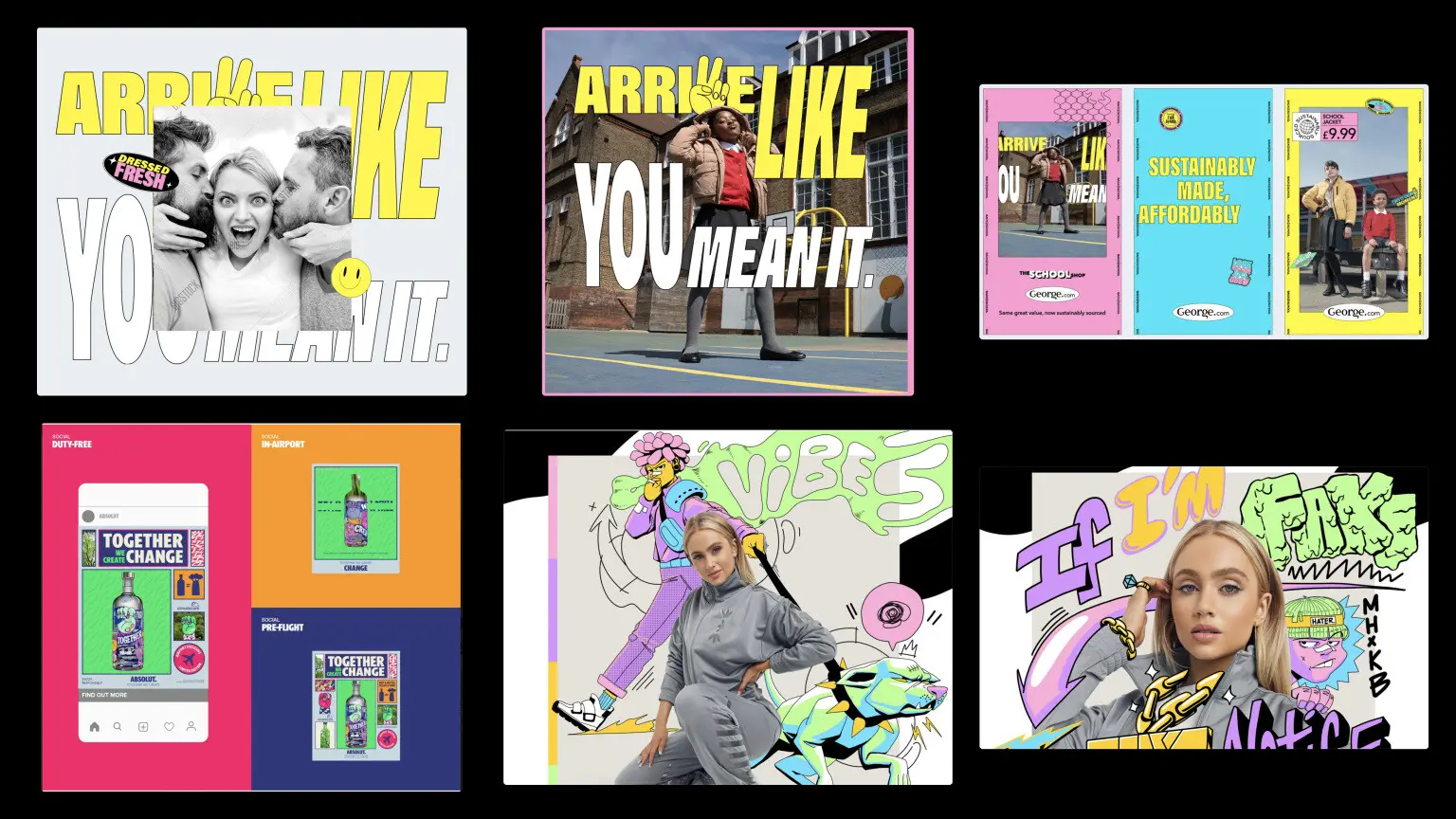
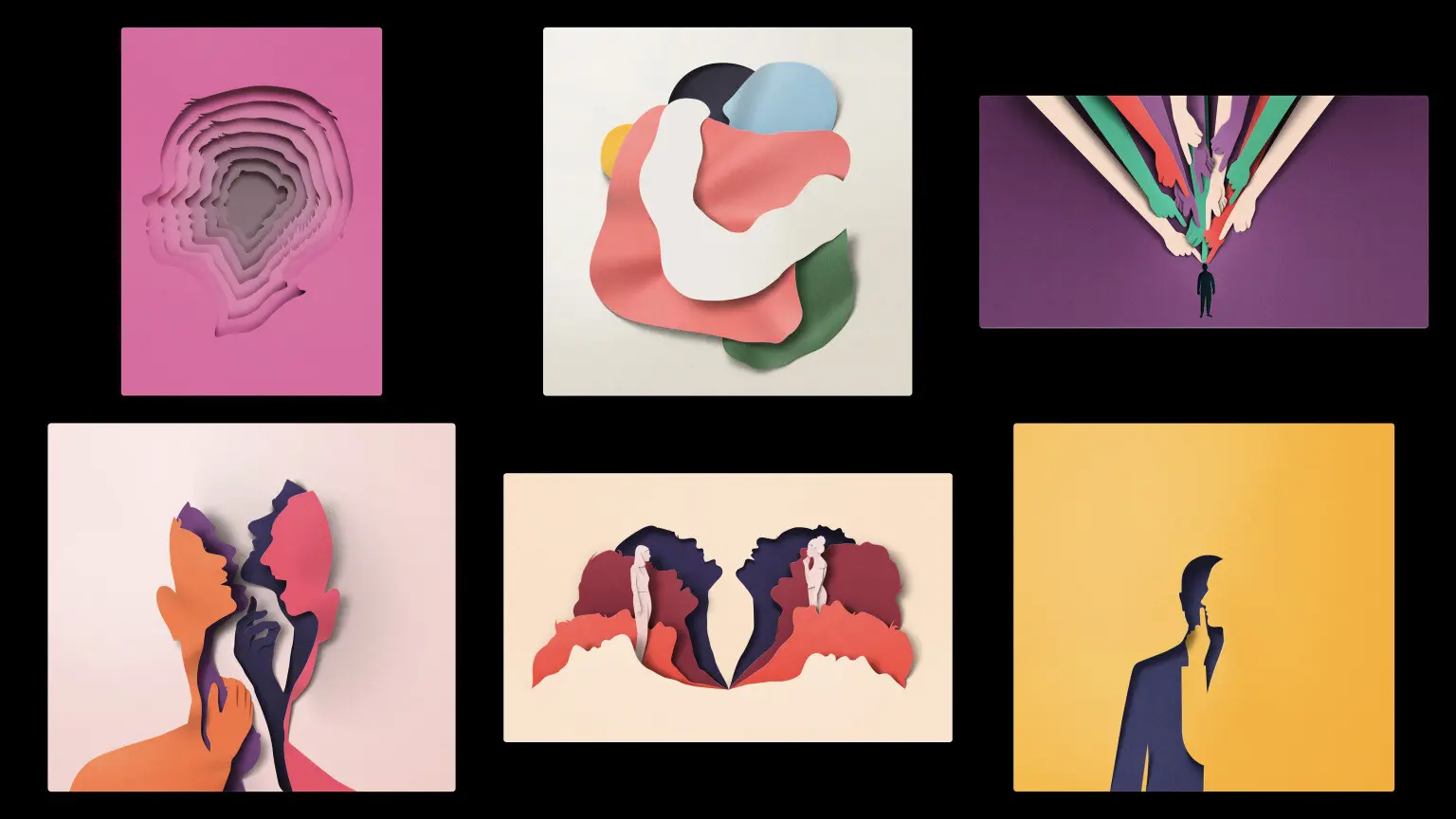
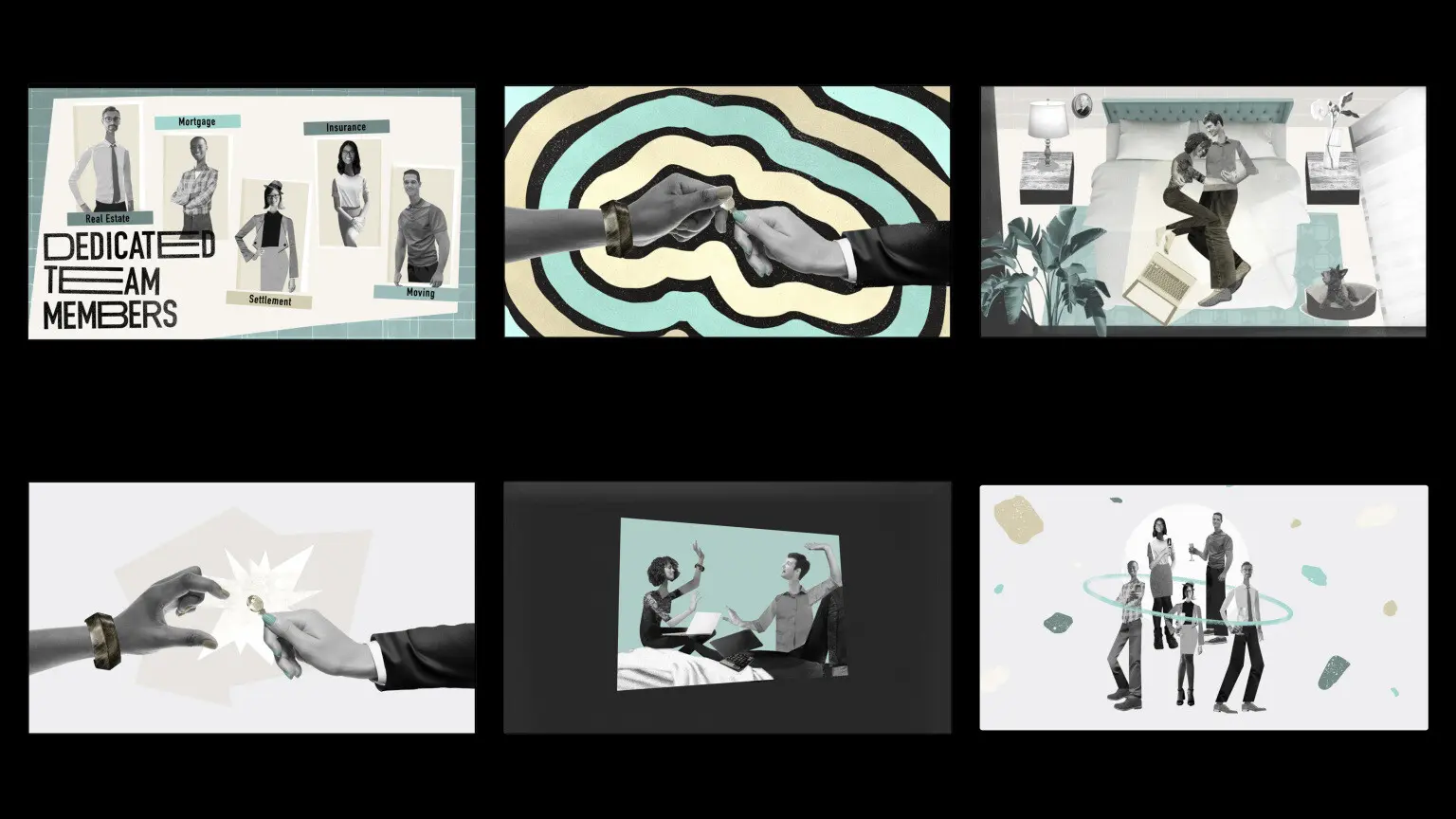
Animation studios can produce various types of explainer videos, PSAs, apps, ad campaigns, 2D or 3D animations, AR, and VR. However, which format you use depends on your specific project, audience, and the message you want to convey. Start by thinking about how and where your project will be distributed. Then, consider the length, whether you would like to use multiple formats, and if you need any audio or voiceover elements to accompany your animation. When picking your format, think about the time required to complete it and if your animation studio will be working under a tight deadline. Whether you have an event or launch date coming up, you should always give your hire ample time to execute the project according to your standards. The more time you give them, the better your animation will be.
step 4: Budget

Ask your potential hire for samples with pricing. This will give you an idea of what the studio can do within a specific budget. Having an idea of how much your project will cost will help tenfold when getting an animation bid. The most important thing to remember is that animation is scalable. An animation project can be done in various styles and price ranges. More expensive is not always better. A well-executed minimalistic concept can be more successful than a poorly executed complex concept. If you don’t have an exact number yet, provide a range. With a known budget, your animation studio can tailor the project to your needs and resources, saving time spent in headache-inducing negotiations.

step 5: Creative brief
Finally, combine all your previous work into one document: a one or two page creative brief. First, define your product in one or two lines. Make a section for your target audience and another for the top three talking points of your project. You can add support for these points in a different section, but keep it concise and clear. Then, summarize your ask in three bullet-pointed sections dedicated to the project’s style, schedule, and scope (length, requirements, format).
Conclusion
While a lot goes into choosing the right studio for your project, these five steps can help you plan out your proposal and get a solid bid. Working out your vision, style, format, and budget beforehand will help you through the process of hiring an animation studio.
If you’d like to work with Pixeldust on your next animation, don’t hesitate to reach out to us here! Or feel free to message us through the “New Project Inquiries” section at the bottom of the page!