

The debate between AR and VR has evolved dramatically. In 2026, these technologies are no longer competing for dominance; they are converging into a unified spatial computing ecosystem. The combined AR and VR market is projected to reach $75.9 billion by 2030, with AR seeing explosive consumer adoption through lightweight smart glasses and VR finding its strongest footing in enterprise training and immersive collaboration. For businesses evaluating which technology to invest in, the answer increasingly depends on use case rather than picking a side.
AR LEADS IN EVERYDAY ADOPTION
AR smart glasses sold over 7 million units in 2025, tripling year-over-year, while traditional VR headset sales declined 30%. AR is winning the accessibility race because it enhances the real world rather than replacing it. For brands and marketers, this means AR-powered product visualization, interactive advertisements, and location-based experiences are reaching mainstream audiences. Pixeldust creates AR experiences that help businesses connect with customers in the environments where they already live and work.
VR DOMINATES TRAINING AND COLLABORATION
While AR captures everyday consumers, VR has found its strongest application in enterprise training, healthcare simulation, and remote collaboration. Organizations use VR to simulate high-risk scenarios, train employees in realistic environments, and conduct virtual meetings that feel more present than video calls. The technology enables hands-on learning without real-world consequences, making it invaluable for healthcare, defense, and manufacturing.
The best approach depends on your goals. AR excels at overlaying information onto the physical world, making it ideal for marketing, retail, field service, and navigation. VR excels at full immersion, making it the top choice for training, design visualization, and virtual events. Many organizations are now deploying both. Pixeldust helps clients navigate this landscape, producing immersive content that meets audiences wherever they are.

CHOOSING THE RIGHT TECHNOLOGY
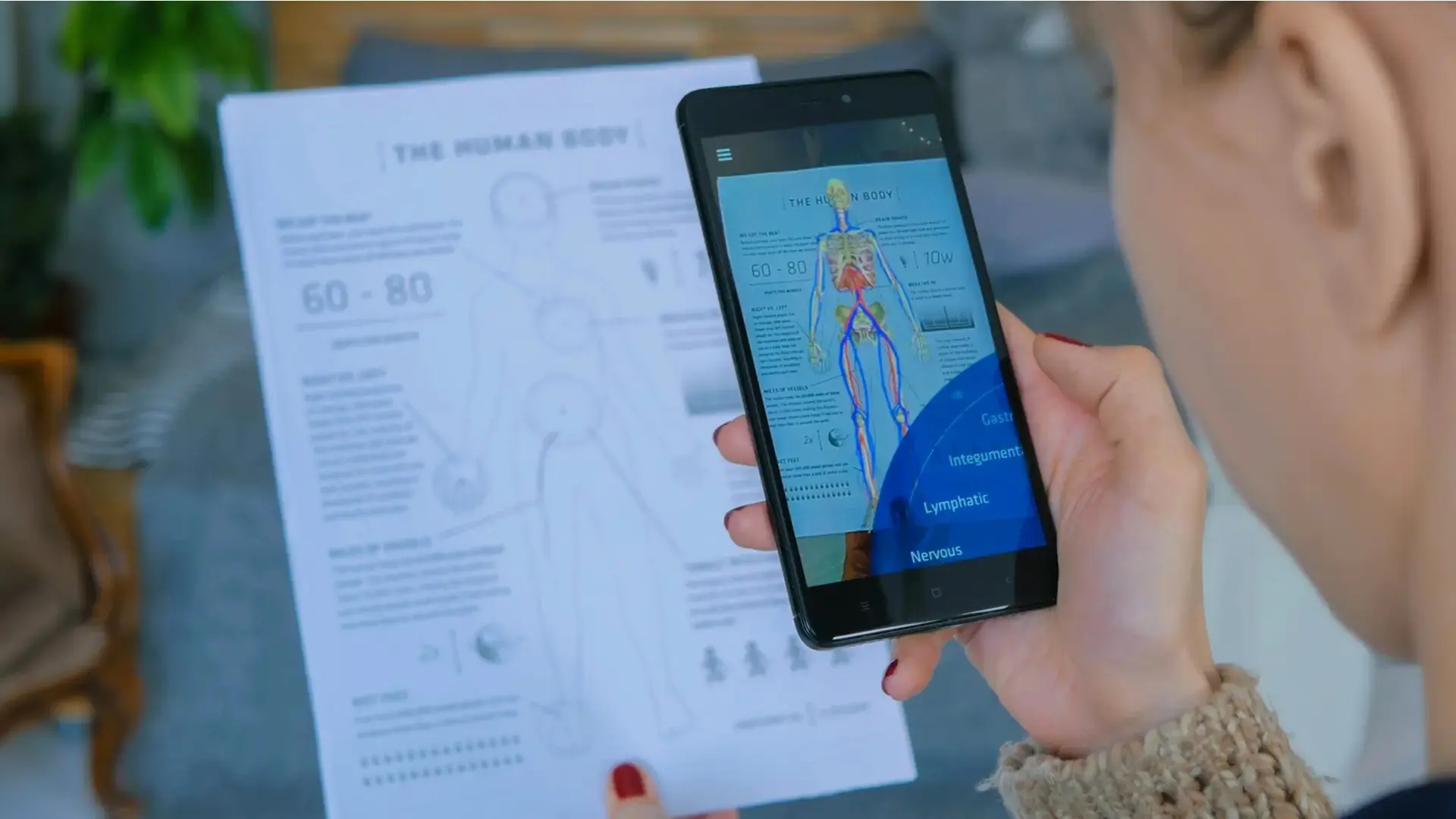
Education is undeniably impacted by technology. When an educational institution decides between AR or VR, it ultimately depends on their learning strategy and intent, given that both solutions provide an engaging learning experience albeit in different capacities. To bring scientific concepts to life, AR tends to be the go-to fit. It enables students to see first hand how a tornado is formed and experience its destruction capabilities in a realistic setting. Similarly, the SkyView App lets students explore the universe by identifying constellations, planets, or stars by merely positioning their mobile device upward. On the contrary, if the institution’s goals are aiming for students to immerse themselves in an all-encompassing new reality, VR is best suited. The 1943 Berlin Blitz in 360˚ is a VR production that helped students understand what it was like to live in one of the most controversial historical events: World War II. This real-life footage included immersing them in a Nazi Germany’s nighttime raid.
The Verdict
Both VR and AR allow a user to interact with elements in the virtual world—without restrictions or creative limitations. In a new wave of post-Covid technological revolutions, unlocking excitement through memorable experiences and taking advantage of these leading tech phenomena is one of the primary ways we will continue to adapt to the “new normal”.