

The world of animation is undergoing a seismic shift, thanks to the advent and integration of Artificial Intelligence (AI).
What was once a labor-intensive process, consuming weeks and months to create minutes of animation, is now being revolutionized. AI in animation production is not just a trend; it’s set to redefine the creative boundaries for advertisers and TV producers.
Understanding AI in Animation
At its core, AI involves using intelligent algorithms and sophisticated software to automate tasks that typically require human intelligence. In animation, this translates to everything from character design and motion capture to environment creation and complex animations that react to viewer input in real-time. Tools like Adobe Character Animator and Autodesk Maya have integrated AI to streamline the animation process, offering features that significantly reduce manual frame-by-frame edits. Success stories abound, from hyper-realistic animated sequences in advertising spots to entirely AI-produced episodes of popular TV series. Many AI platforms claim that simple text input is sufficient to produce excellent outcomes. However, our recent experiences with AI projects for McDonald’s and ANTA, which demanded high levels of specificity and accuracy, tell a different story. We found ourselves needing precise characteristics such as faces, shapes, locations, and ages for our characters. This required extensive input and sophisticated manipulation of AI variables. While the technology is promising, it demands considerable effort to attain truly impressive results.
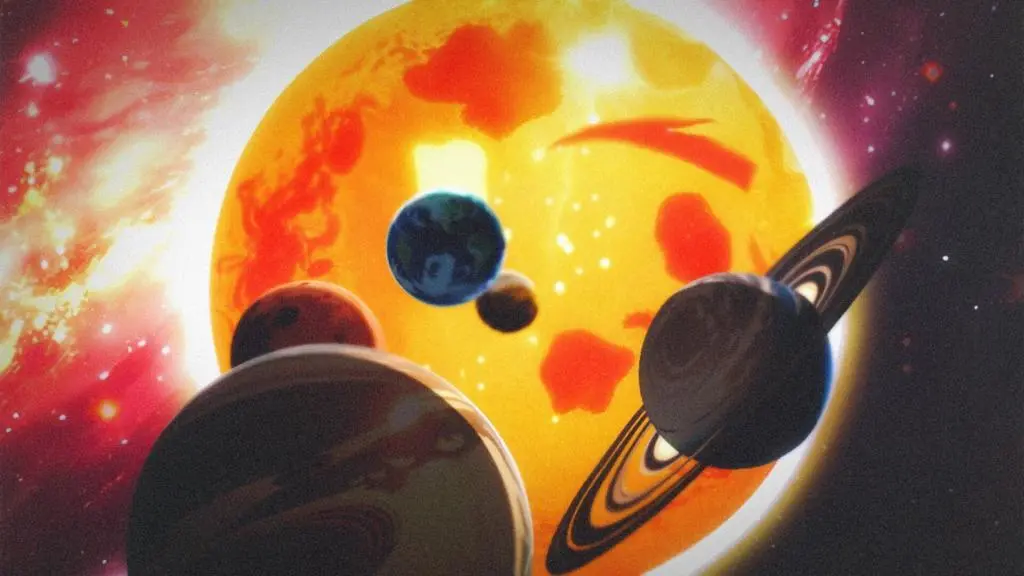
While the technology is promising, it demands considerable effort…
Advantages of AI in Animation for Advertising
The advertising community has quickly recognized the value AI brings to storytelling. With AI, ads no longer rely on static imagery or costly live-action shoots. Instead, brands can tell compelling, visually stunning stories with animations that were once deemed too complex or expensive to produce. A prime example is our recent project with ANTA. Using AI, we transformed photos into video and 3D renders of basketball star Kyrie Irving into stylized anime characters, including diverse representations and recreations of childhood memories. This approach provided a unique visual experience and connected with a wider audience by celebrating diversity and nostalgia.
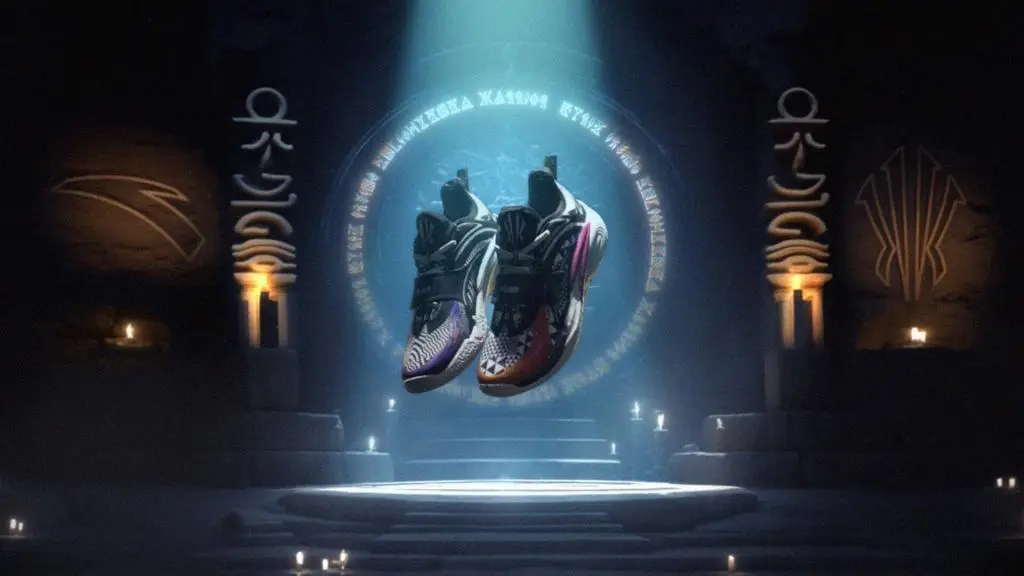
Brands can tell compelling stories with animations that were once too complex.
Impact of AI on TV Production
In TV, AI is transforming production from concept to post-production. AI algorithms can help scriptwriters by suggesting plot developments or even writing entire scenes based on the storyline’s direction. AI can also automate editing, color correction, and even sound design during post-production, significantly reducing timeframes and costs. The efficiency AI introduces allows TV producers to reallocate budget and time into creative endeavors, enhancing the overall quality of content available to viewers.

The efficiency of AI lets TV producers reallocate budget to more creative endeavors.
Challenges and Future of AI in Animation
Despite the breakthroughs, the integration of AI in animation is not without challenges. Concerns regarding the loss of jobs in traditional animation roles and the potential for AI to limit creative input persist. However, as the industry evolves, AI is seen more as a collaborator or a multiplier than a replacement, augmenting the creative process rather than dictating it. Looking ahead, developing more intuitive AI systems that can understand and replicate nuanced human emotions in animations is on the horizon. These advancements promise to open up new realms of storytelling and visual expression that were previously unimaginable.
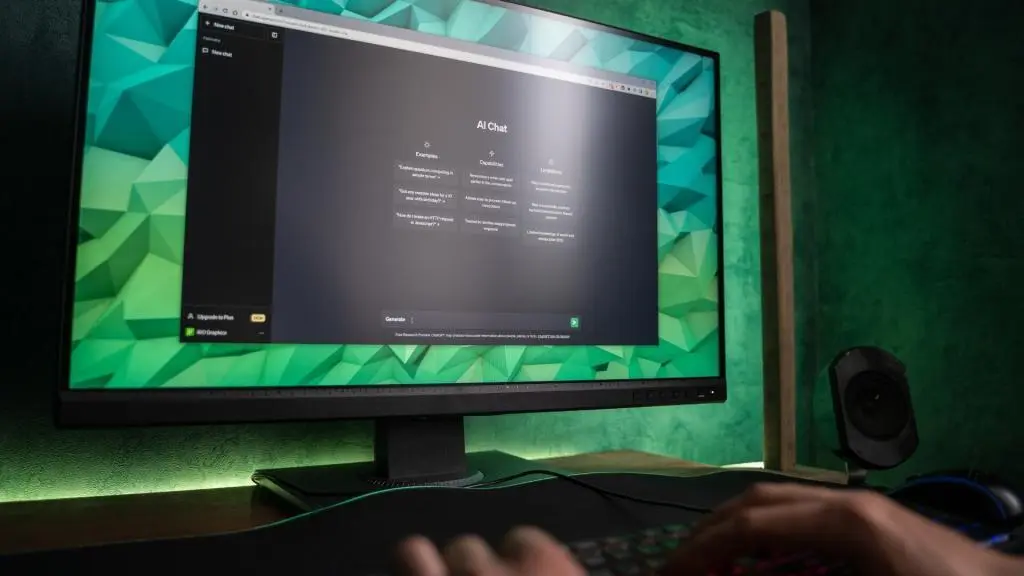
AI is seen more as a collaborator rather than a replacement.
The ANTA Project: A Case Study in Innovation
Our project with ANTA showcased how AI could bring a fresh perspective to brand storytelling. By creating multiple versions of Kyrie Irving and depicting his evolution alongside characters of different races, we celebrated diversity and pushed the boundaries of conventional animation techniques. The highlight, a 90-second promo for the new K1 shoes, didn’t just promote a product; it told a story that resonated with viewers on a personal level, thanks to the detailed and lifelike animations made possible by AI.
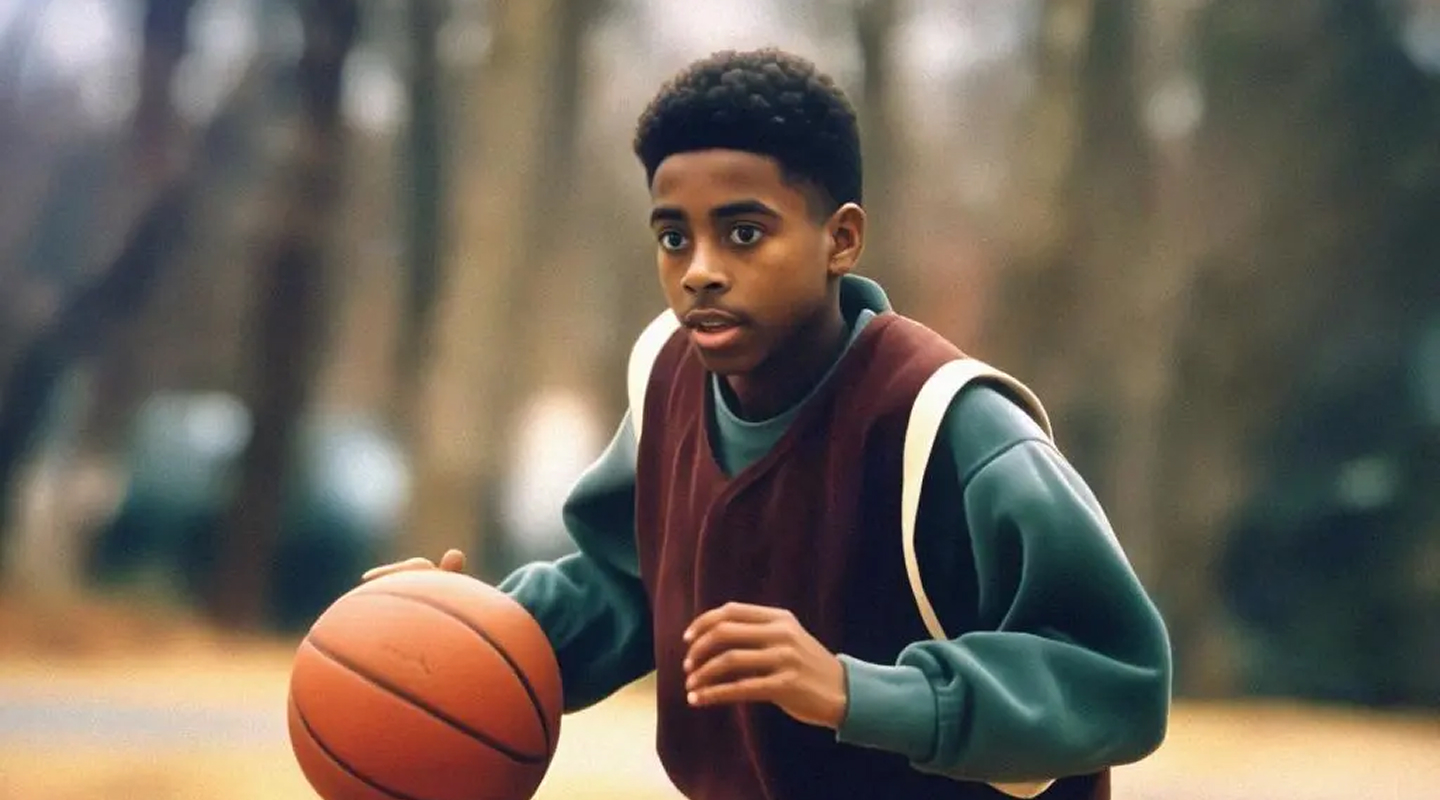
We celebrated diversity and pushed the boundaries of conventional animation techniques.
Conclusion
The potential of AI in animation for advertising and TV is vast. It offers an unmatched blend of efficiency, customization, and creativity that can elevate storytelling to new heights. Our project with ANTA is just a glimpse of what’s possible when technology and creativity converge. We encourage creatives and producers to explore AI’s possibilities within their processes. The landscape is evolving rapidly, and staying ahead means being open to innovation and change. We’d love to hear your thoughts and experiences with AI in animation. Have you integrated AI into your creative workflow? What impact has it had on your projects? Join the conversation below and share your insights. In a world where technology and art intersect, animators and producers must continue learning and adapting. The future of animation is bright, and AI is lighting the way.