
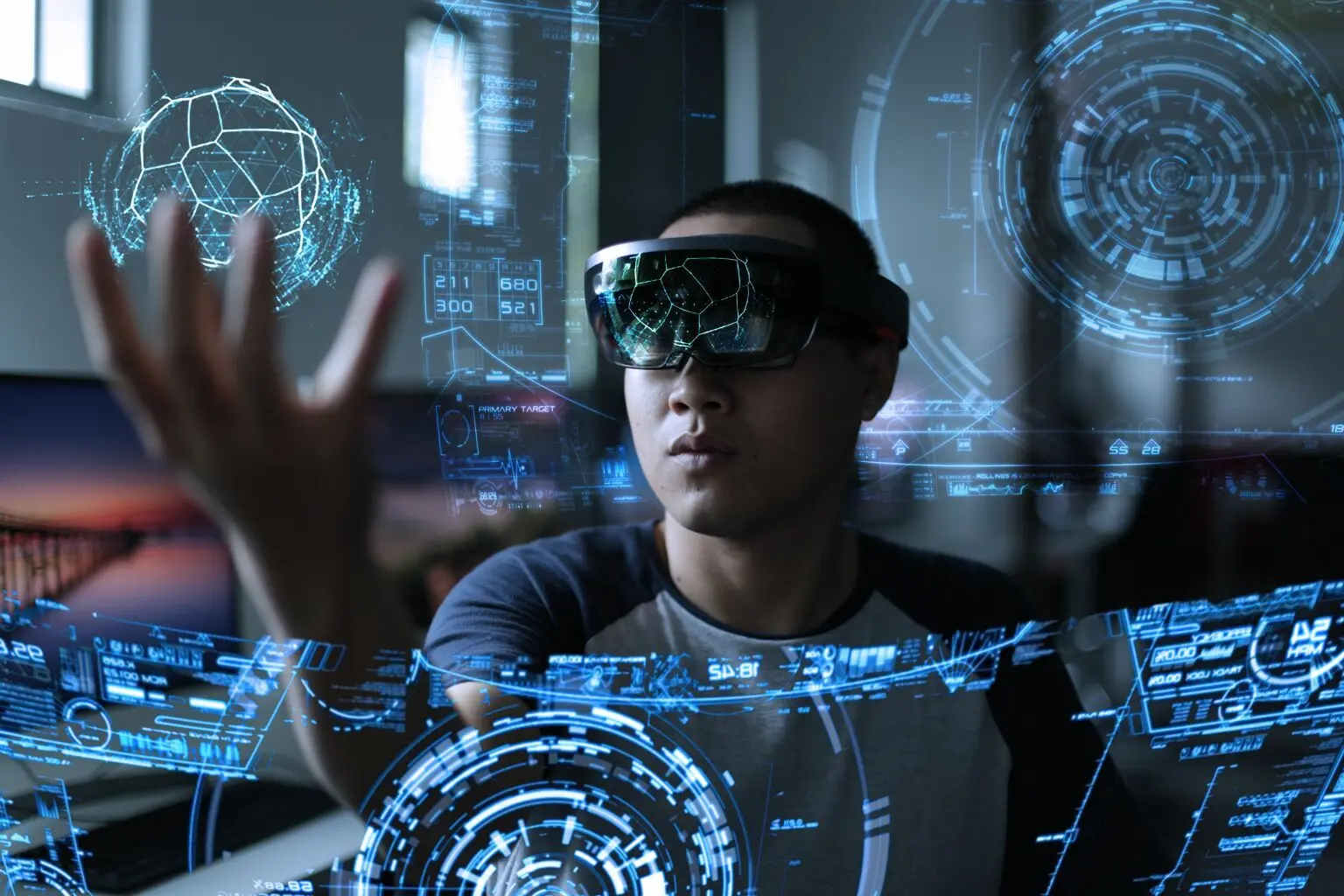
Augmented Reality has moved beyond the novelty phase and into everyday life. In 2026, AR is embedded in how we shop, learn, navigate, and communicate. Lightweight AR glasses are replacing smartphones as the interface of choice for hands-free information access, and businesses across every industry are discovering that AR is not a future technology; it is a current one. From retail try-before-you-buy experiences to healthcare visualization, AR is fundamentally changing the way we interact with information and each other.
RETAIL AND E-COMMERCE
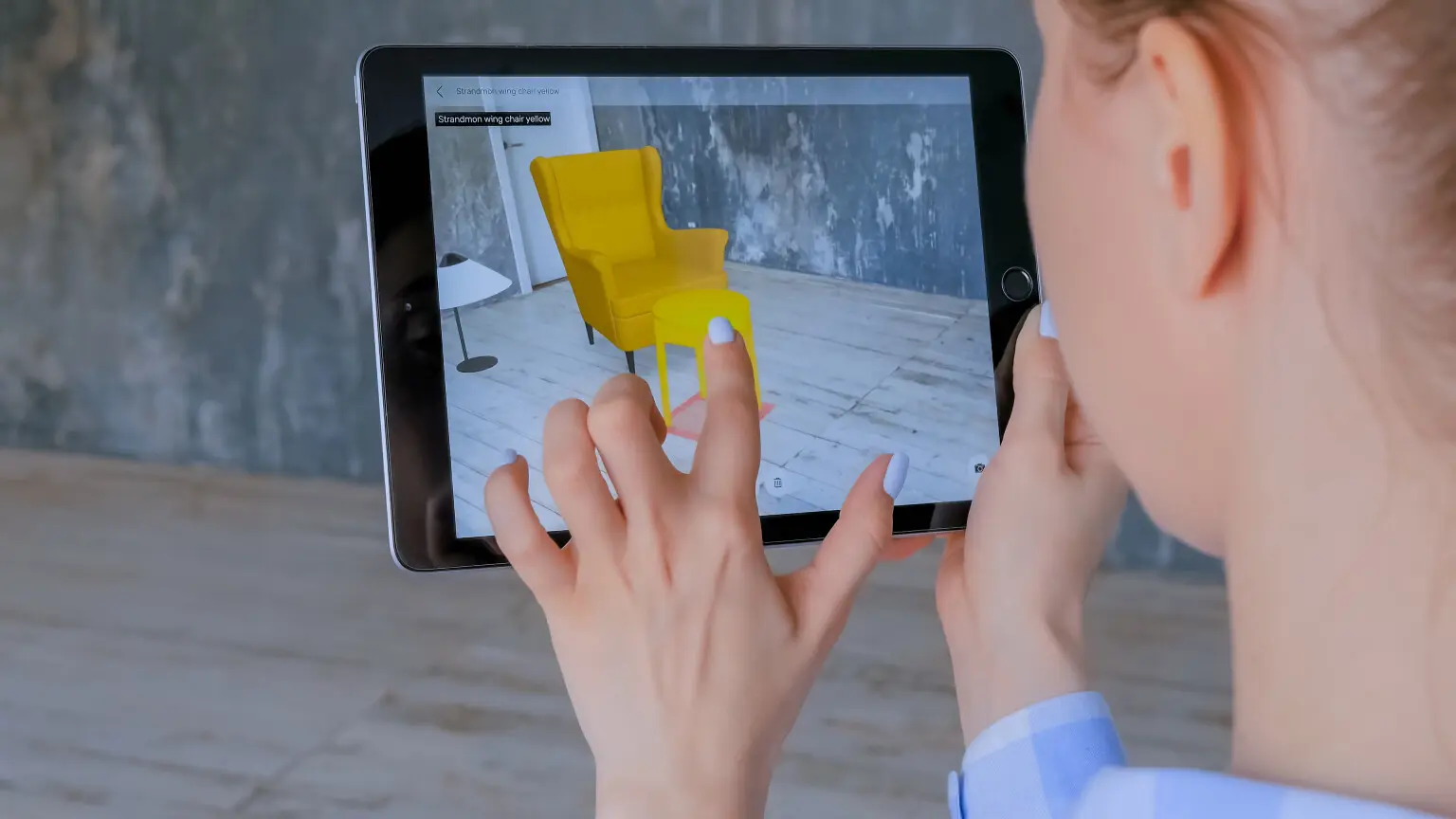
AR has become a critical tool for retailers bridging the gap between online and in-store shopping. Customers now routinely use AR to preview furniture in their homes, try on clothing virtually, and explore products in three dimensions before purchasing. AR-enabled product pages see significantly higher conversion rates and lower return rates. For brands, AR content is no longer experimental; it is expected.
HEALTHCARE AND EDUCATION
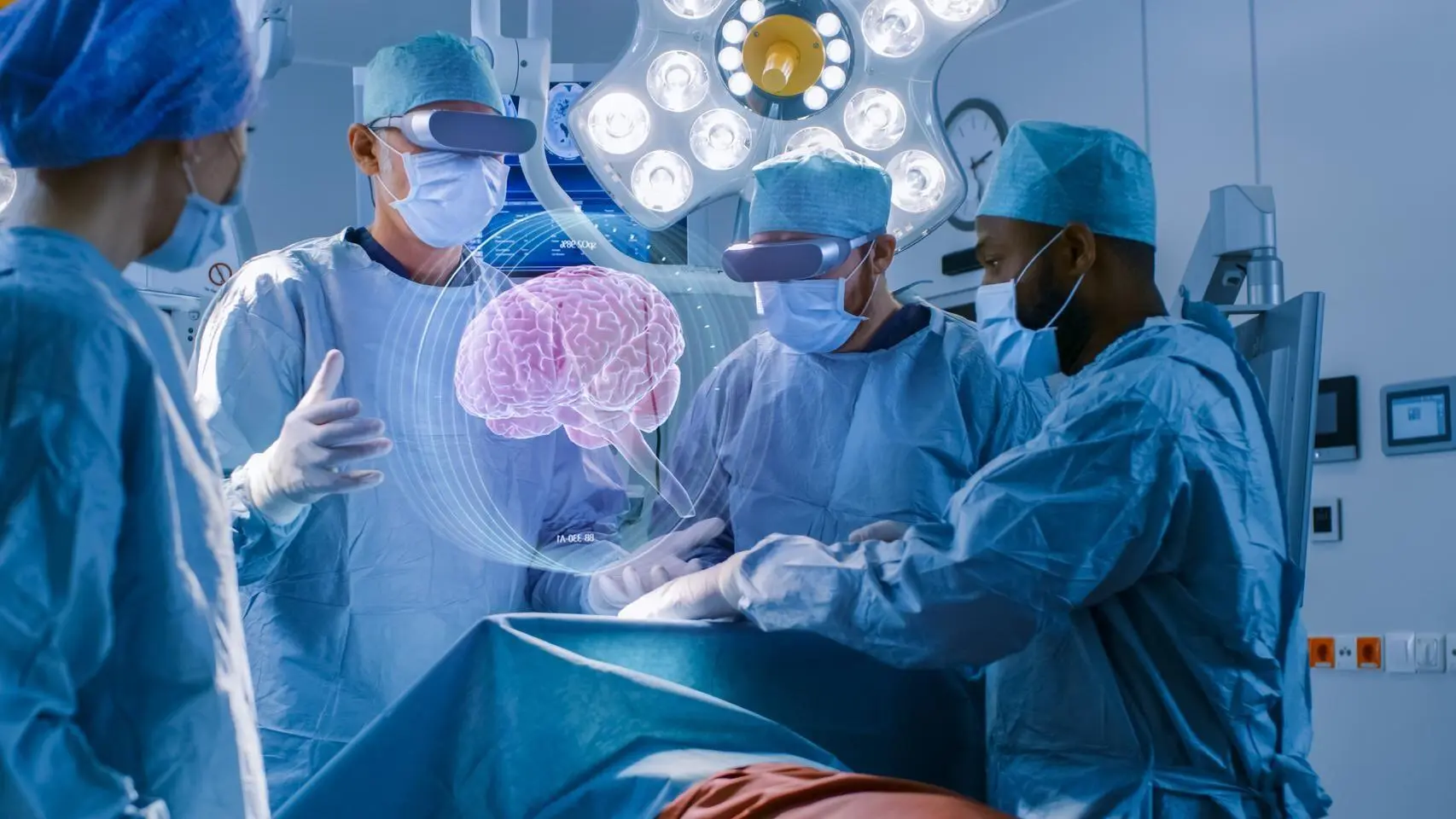
In healthcare, surgeons use AR overlays for real-time guidance during procedures, and medical students train on AR-enhanced anatomical models. In education, AR transforms static textbooks into interactive learning experiences. Students can explore historical sites, manipulate molecular structures, and engage with complex data through spatial visualization. These applications demonstrate AR potential to improve outcomes in fields where accuracy and engagement matter most.
AR gives brands a way to create memorable, interactive experiences that traditional advertising cannot match. From AR-powered outdoor campaigns to interactive product packaging, companies are using augmented reality to capture attention and drive engagement. Pixeldust develops AR content that transforms passive viewers into active participants, creating branded experiences that leave a lasting impression.

MARKETING AND BRAND EXPERIENCES
AR serves as a prime contributor when collaborative work is needed. Pixeldust’s Head of AR Development, Samar Shool, defines collaborative AR as an approach that allows multiple users to simultaneously share an immersive real-world experience regardless of their location. When real-time opinions and modifications are essential for the efficient development of a task or project, AR can facilitate their completion in an effortless fashion. Currently, due to COVID, companies have been forced to implement new ways to work and interact internally. AR has evolved to facilitate the success of multi-user interactive experiences, allowing employees and their businesses to thrive in the face of uncertainty.
Bottom line
We need a flexible and accessible solution that assists complex everyday problems.AR is transforming how we learn, make decisions, and interact with the physical world. Since it superimposes information onto the real world, it has the potential to unshackle us from 2D limitations, and release untapped human capabilities.