
Behind every polished corporate video, documentary, or brand film is a carefully orchestrated production process that most audiences never see. Understanding what goes into a professional video production shoot helps businesses plan better, budget more accurately, and collaborate more effectively with their production team. In 2026, video production blends traditional filmmaking craft with cutting-edge technology — from AI-assisted camera systems and real-time color grading to drone cinematography and virtual production stages. Whether you are planning your first corporate video or your fiftieth, knowing what happens on set demystifies the process and leads to better results.
Pre-Production: Where Success Begins
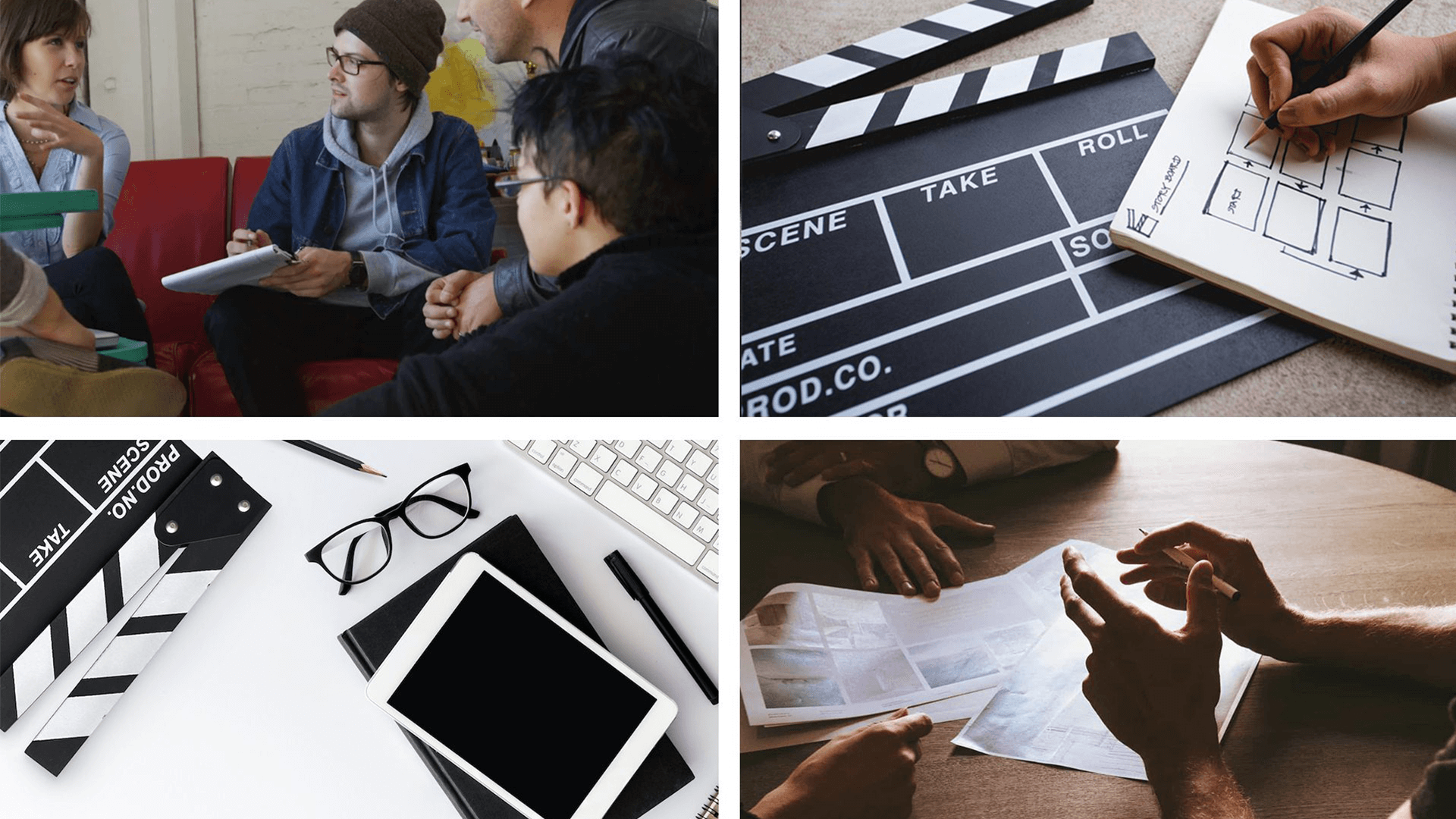
The most critical phase of any video production happens before a single camera rolls. Pre-production includes scripting, storyboarding, location scouting, talent casting, equipment planning, and scheduling. A thorough pre-production process identifies potential problems early when they are cheap to solve, rather than on set when every minute costs money. At Pixeldust, we invest heavily in pre-production planning because we have seen firsthand how it reduces shoot days, minimizes reshoots, and ensures the final product aligns with our clients’ strategic objectives. Modern tools like virtual location scouts and AI-generated storyboard previews have made this phase more efficient than ever.
On Set: The Production Day
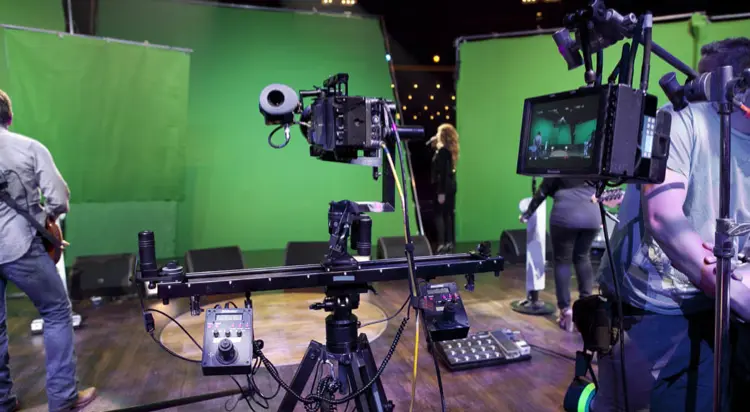
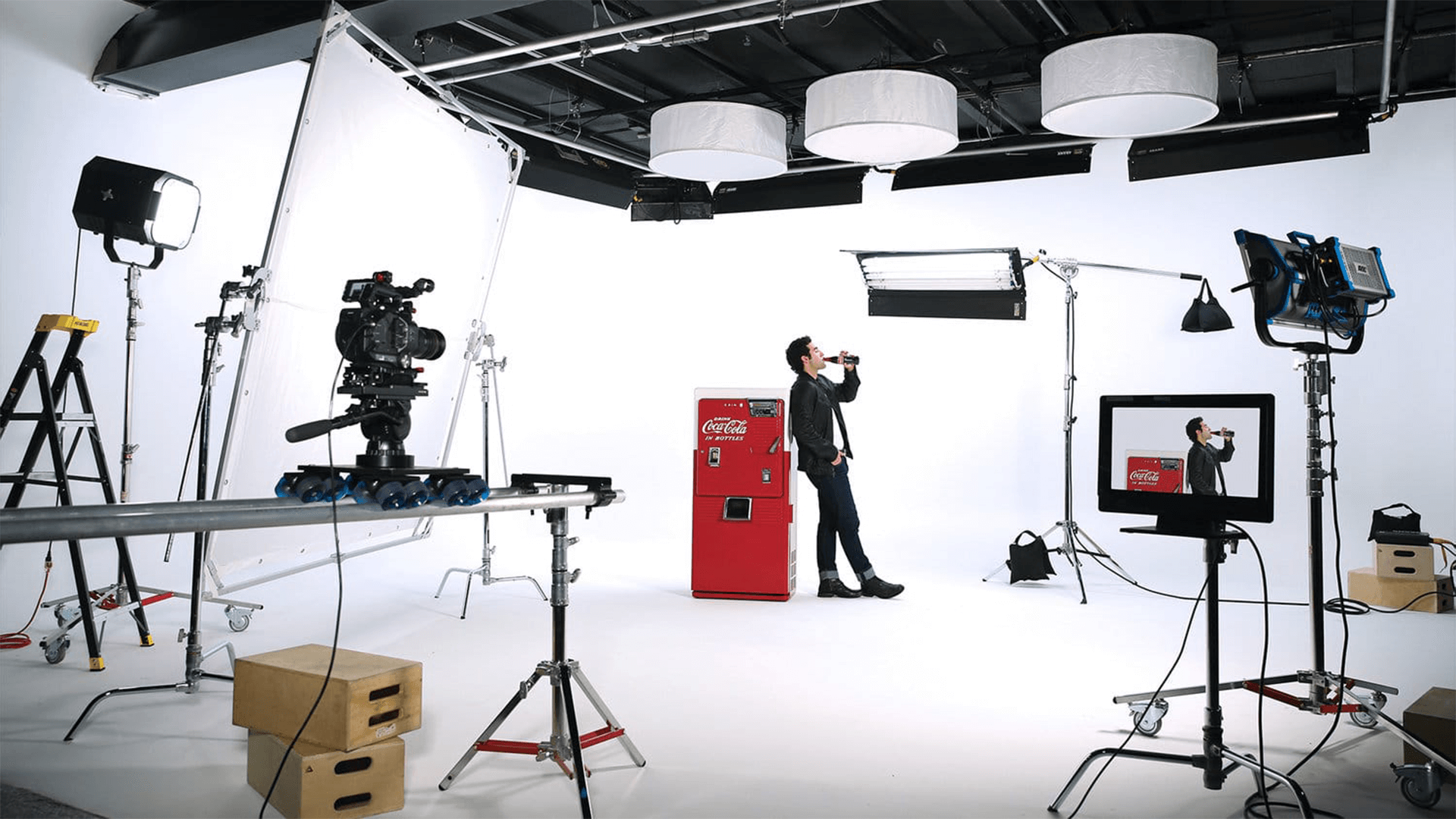
A professional video production set is a coordinated operation involving multiple departments working in parallel. The director manages creative vision and talent performance. The director of photography and camera team handle composition, movement, and lighting. Sound engineers capture clean audio. Production assistants keep everything running on schedule. For corporate shoots, a client representative is often on set to approve setups and provide real-time feedback. Modern productions increasingly incorporate live compositing monitors that show rough visual effects in real time, giving directors and clients immediate feedback on how the final product will look.
Post-production is where raw footage transforms into a finished product. This phase includes editing, color grading, sound mixing, motion graphics, visual effects, and final delivery. In 2026, AI-assisted editing tools can handle rough assembly cuts and basic color matching, freeing editors to focus on storytelling and pacing — the creative decisions that no algorithm can replicate. At Pixeldust, our post-production team combines decades of editorial experience with the latest technology to deliver broadcast-quality results on timelines that keep pace with modern marketing demands.
Post-Production: Bringing It All Together
After the shoot, the editor will begin working on the footage. They will sort through the footage and choose the best takes for each shot. They will then begin editing the video together. Once the rough cut is complete, the Executive Producer and Producer will review the video and give feedback multiple times. It’s an iterative process that requires multiple passes. After completing the visual story, the composer will create the sound design and music. Animators will create the necessary visual effects. Color grading is also done as a final step in the post-production stage, which involves adjusting the colors and tones of the video to achieve a specific look and feel. This can help enhance the video’s mood and make it more visually appealing.
After the editor, composer, animators, and colorist have made all the required improvements, the Editor will export the final video. The final video will then be delivered to the client for their use.

Bottom line
Behind the scenes of a video production shoot, a lot of work goes into ensuring everything runs smoothly. Every step of the way, from pre-production to the actual shoot day and post-production, requires careful planning and coordination. When seeking a company to fulfill video needs, make sure you choose a seasoned team that is organized and has plenty of examples of the creative approach you seek.