

Microlearning — the delivery of educational content in focused, bite-sized segments — has become one of the most effective approaches to corporate training and professional development. In 2026, with attention spans competing against constant digital distractions and workforces increasingly distributed across locations and time zones, microlearning addresses the practical reality of how adults actually learn and retain information. Animated microlearning content, in particular, combines the cognitive benefits of visual storytelling with the accessibility of short-form delivery, creating a training approach that learners actually complete and remember.
According to the Harvard Business Review, from 2017 on the e-learning market share has increased by 200%, at a value of $250 billion, with an expected increase of $50 billion by 2025. Falling underneath the e-learning umbrella is microlearning, today’s most effortless yet effective way to learn.
But what exactly is microlearning? Microlearning offers bite-sized educational content in the form of video, audio podcasts, presentations, games, or a short online lesson. These small learning units are typically 2-7 minutes long as opposed to regular e-learning that has no duration limit. Microlearning provides a quick and easy practice where minimal effort and information meet maximum impact.
Why Shorter Is Smarter
Research in cognitive science consistently supports what learners intuitively know: information delivered in focused segments of three to seven minutes is retained significantly better than content delivered in hour-long sessions. This is not about simplifying content — it is about structuring it for how the brain actually processes and stores information. Microlearning modules focus on a single concept or skill, present it clearly, reinforce it through practice or assessment, and move on. This approach respects the learner’s time, reduces cognitive overload, and produces measurable improvements in knowledge retention and on-the-job application compared to traditional training formats.
Animation and Microlearning
Animation is uniquely suited to microlearning because it combines visual explanation with narrative engagement in a compact format. A three-minute animated module can demonstrate a complex procedure, explain a policy change, or teach a software workflow more effectively than a lengthy text document or a recorded lecture. Animation also standardizes the learning experience — every learner sees the same content, delivered the same way, regardless of when or where they access it. At Pixeldust, we produce animated microlearning series for organizations across government, healthcare, and corporate sectors, creating libraries of modular content that can be updated and expanded as needs evolve.
Successful microlearning is not just about making content shorter — it requires thoughtful instructional design. Each module should have a clearly defined learning objective, use progressive complexity that builds on previous modules, and include opportunities for practice or assessment. The content should be accessible on mobile devices for just-in-time learning, and analytics should track completion rates and comprehension scores to identify areas where additional support is needed. When implemented well, animated microlearning reduces training costs, improves compliance rates, and creates a culture of continuous learning that keeps your workforce current and capable.
Implementing Microlearning Successfully
One of the benefits microlearning offers is that it enables learners to access the content whenever and wherever they want. According to a survey conducted by The Campaign For Learning, 94% of millennials prefer microlearning over traditional e-learning. Millennials want the content to be customized to their needs, on-demand, and informal. Flexibility and personalization when it comes to learning, results in higher task completion rates. So for these modern learners microlearning sounds like the perfect fit!
Presently, people’s working memory capacity is not accustomed to fully understanding or receiving big chunks of information. The “working memory capacity” refers to one’s ability to select and maintain relevant/new information. According to a study by the University of California-Irvine, a person’s average working time before getting interrupted is 11 minutes. Within these 11 minutes, an estimate of three 2-5 minute-long tasks without interruption are performed. This suggests that short and quick tasks match people’s working memory capacity and therefore, create engagement.
Working memory capacity
Presently, people’s working memory capacity is not accustomed to fully understanding or receiving big chunks of information. The “working memory capacity” refers to one’s ability to select and maintain relevant/new information. According to a study by the University of California-Irvine, a person’s average working time before getting interrupted is 11 minutes. Within these 11 minutes, an estimate of three 2-5 minute-long tasks without interruption are performed. This suggests that short and quick tasks match people’s working memory capacity and therefore, create engagement.
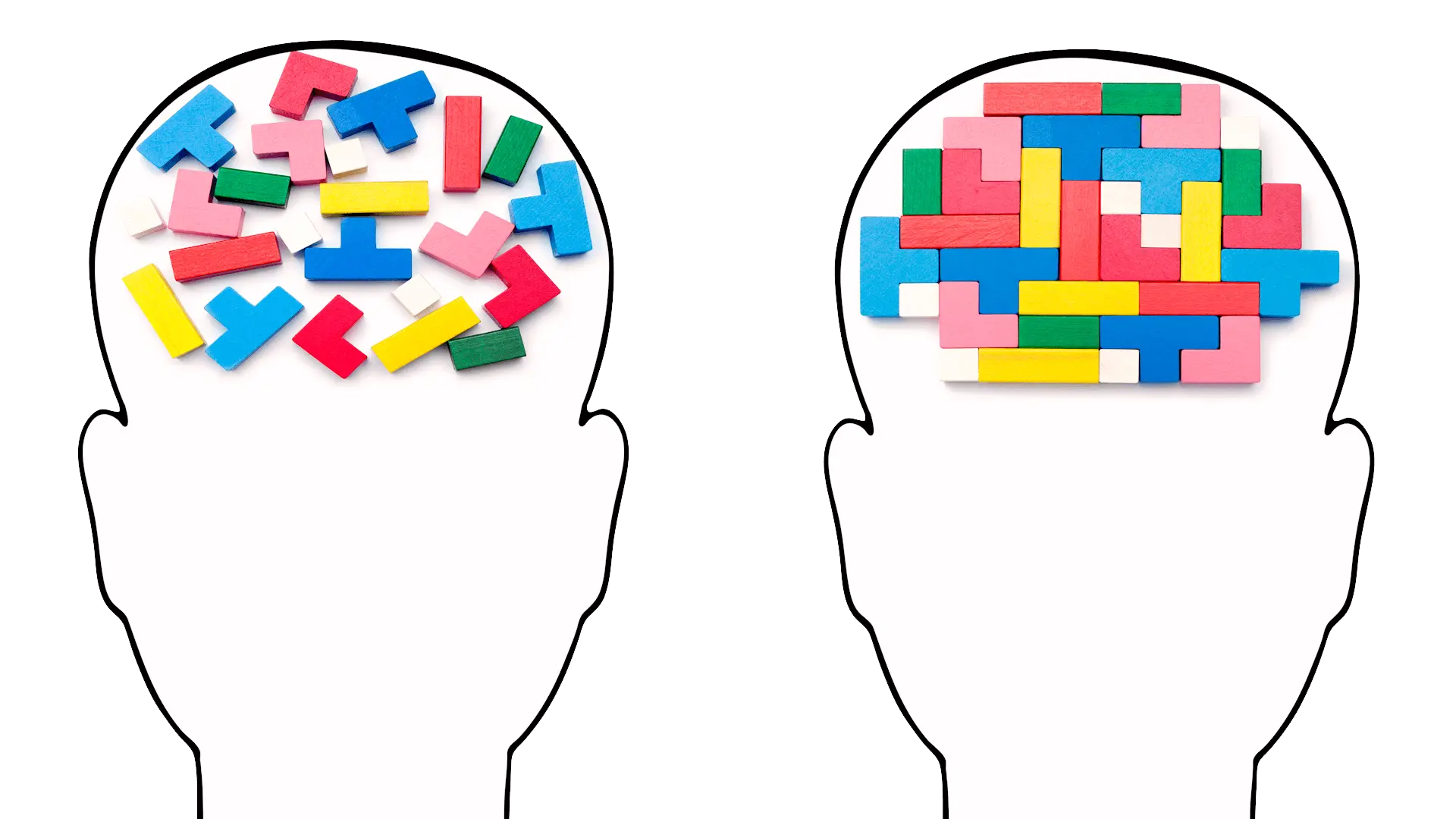
The average modern learners’ daily lives are no longer as conducive to traditional educational approaches. Unlike more universal practices, microlearning’s unique methodology increases the likelihood content will be stored in long-term memories, thus resulting in a deeper understanding of the material at hand. This isn’t to say that other widely accepted educational practices aren’t effective, but that the same knowledge can be acquired with less time and focus.
conclusion
The endless days of studying are long over, it’s time to cut to the chase and shorten the learning curve with microlearning!