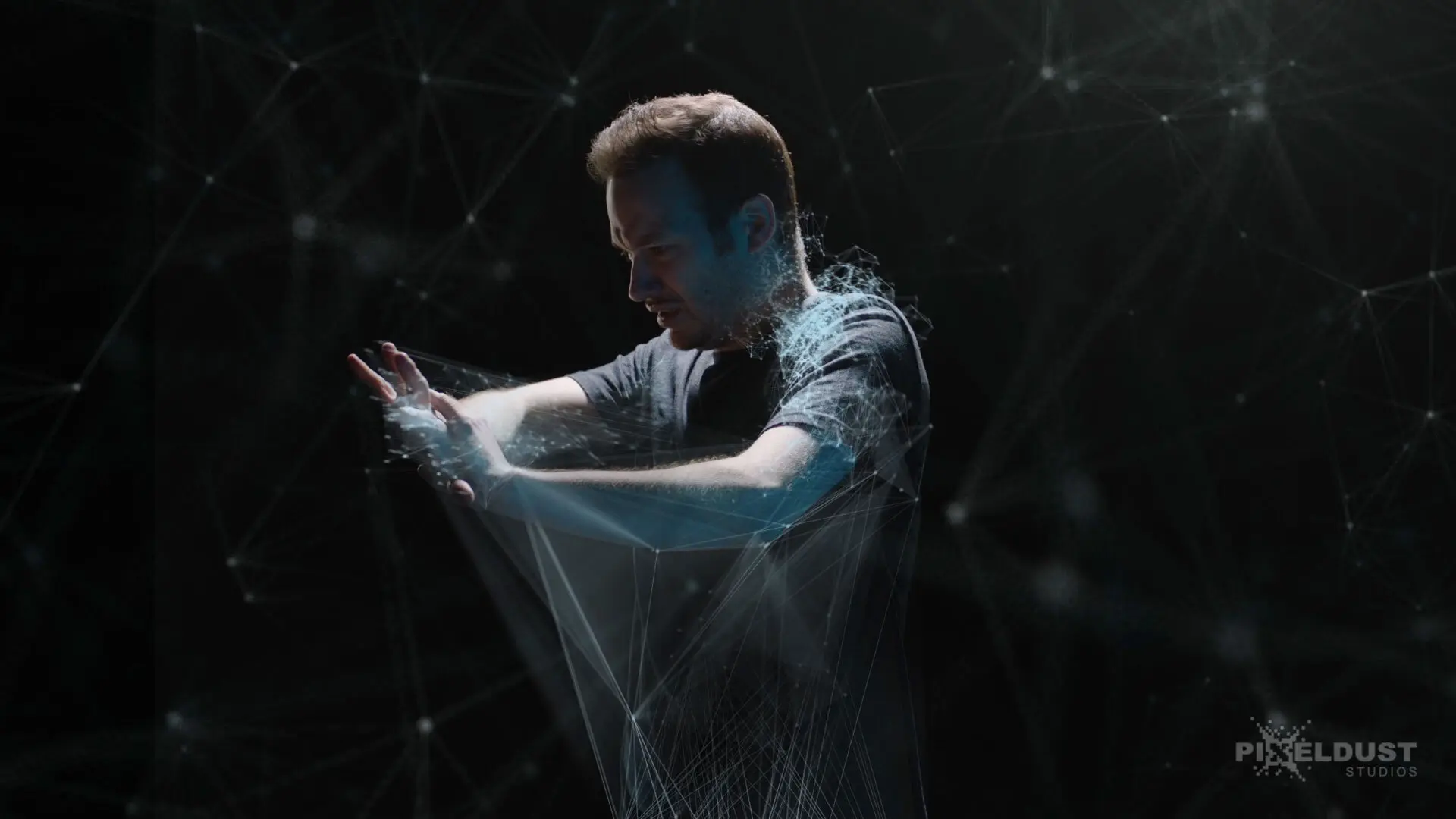
Vocativ wanted to warn viewers about a technological dystopia, and Dark Net needed a unique, memorable concept to do it: technology as a trap, the dark face behind the convenience of endless possibilities.
Pixeldust explored the theme of inescapable technology. People freely give up their personal information and can become hooked on social media, video games and online shopping. Every website visited, email sent and form submitted adds to a permanent digital footprint, and no matter how private, it can one day come back to haunt them.
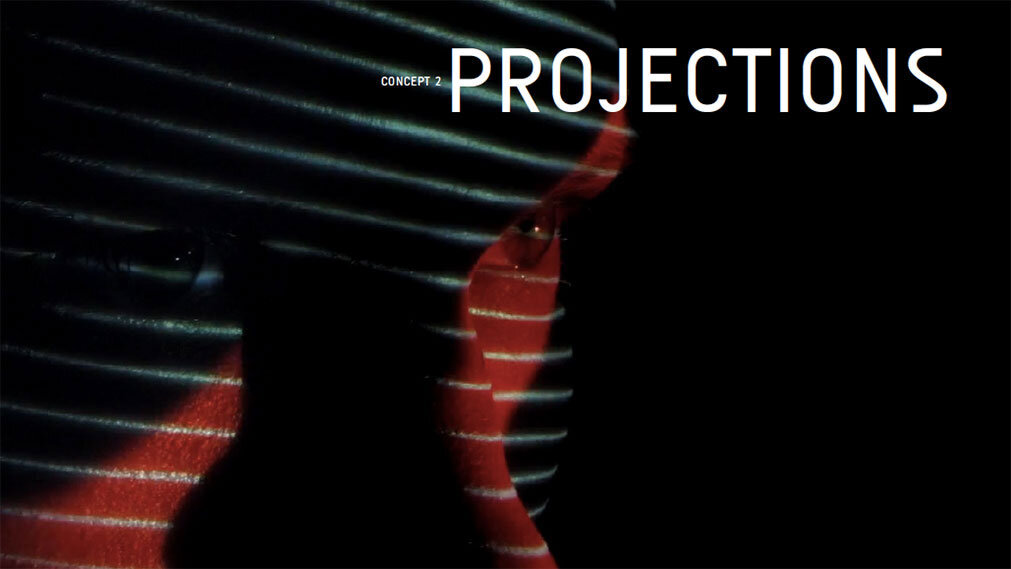
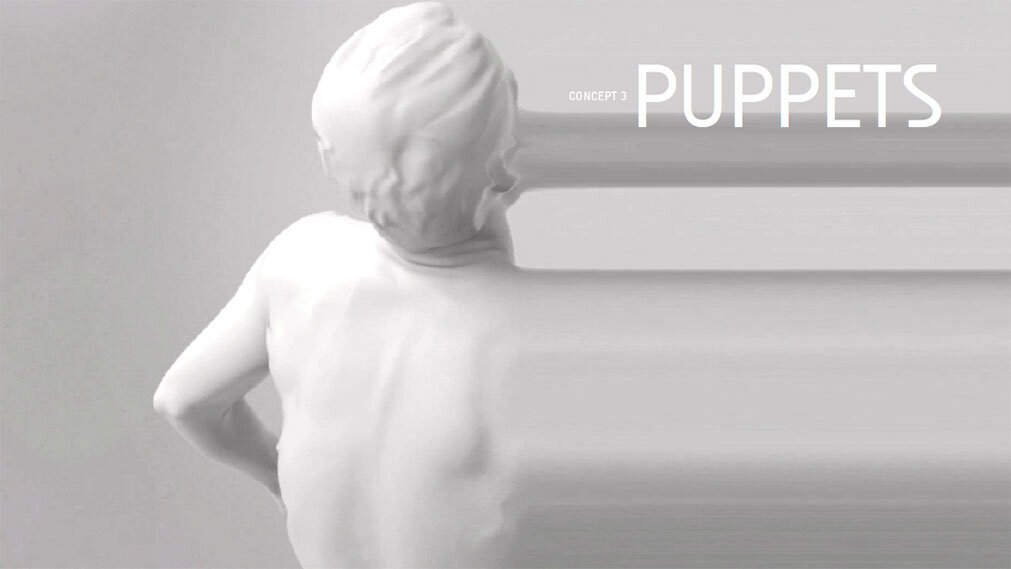
The team developed three directions: “Projections” of the digital world, “Puppets” of technology, and “Trapped,” the concept the client chose.
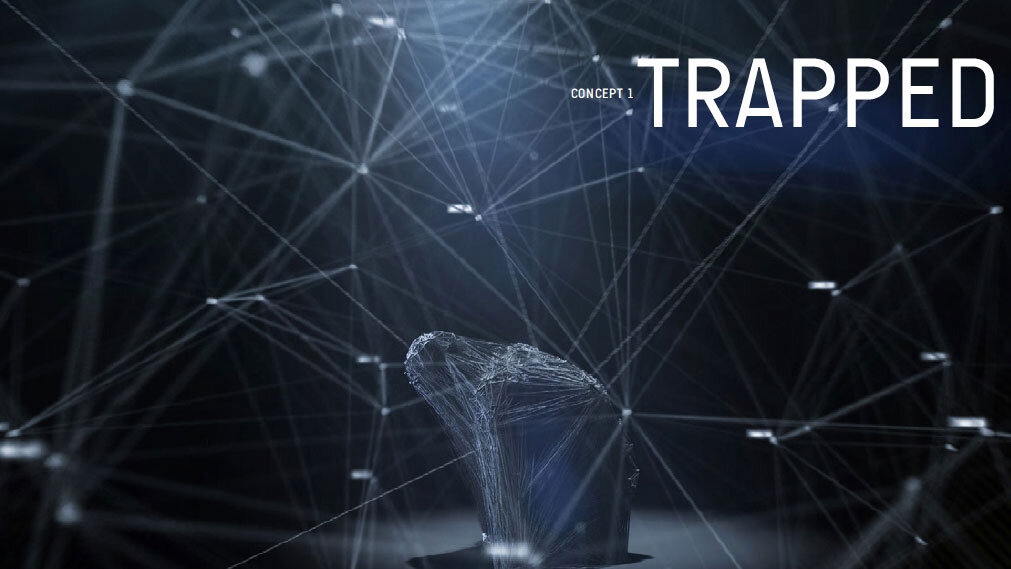
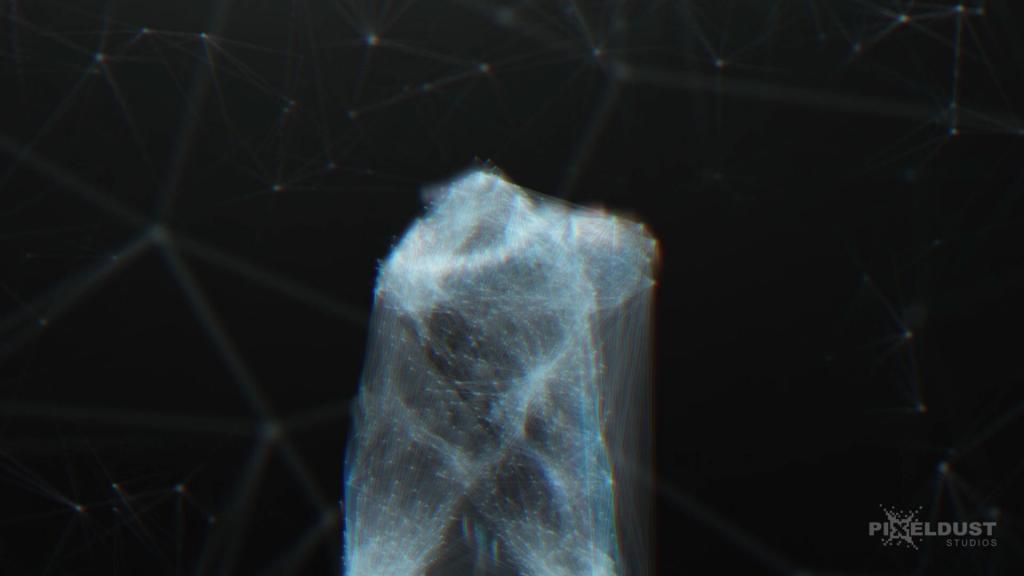
Before a single frame was shot, the story of the trap was worked out frame by frame. In the Trapped storyboard, a web slowly grows out of a server, reaches out into the room and finds a human host. Strand by strand it envelops him, until he can’t move at all.
The web had to feel digital, built from points of light and lines of data, while still reading instantly as a spider web, a shape everyone understands as a trap. The storyboards set the rhythm of the sequence, from the first quiet tendrils to the moment the host disappears inside the web, and became the plan for both the live-action shoot and the animation that followed.


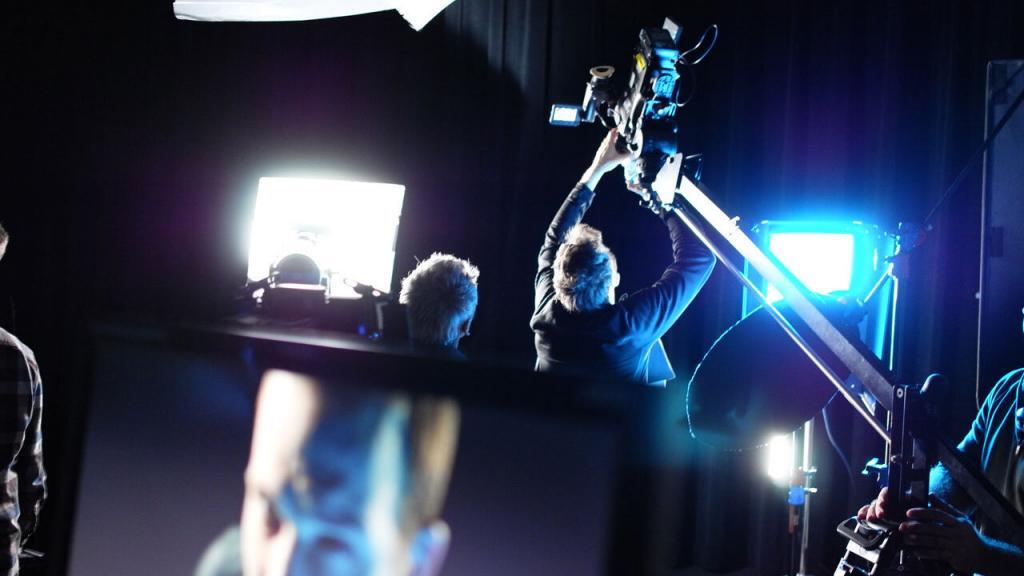
The live-action production was shot in a studio, lit to feel moody and mysterious, evoking the darkness of the dark web, a place where so many things we can’t imagine happen out of sight.
The camera starts close. Extreme close-ups of the protagonist’s eye and forearm show the web creeping in at the edges, small enough to ignore at first. As the web engulfs him, the shots grow wider and the scale of the trap becomes clear, until he is fully overtaken. Every shot was planned with the animation in mind, so the web could later be tracked and composited onto the performance.

Once the shoot wrapped, it was time to animate. The team used Plexus to create the dots, lines and facets that form the base of the tangled web. Extensive motion tracking was done by hand so the animators had precise control over where every point sat and how it moved.
As the animation was refined, the web became a creeping, crawling, living object that tangles in the knuckles and climbs over the body. The final step was compositing: getting the depth of field and color just right so the footage and the animation believably exist in the same world.