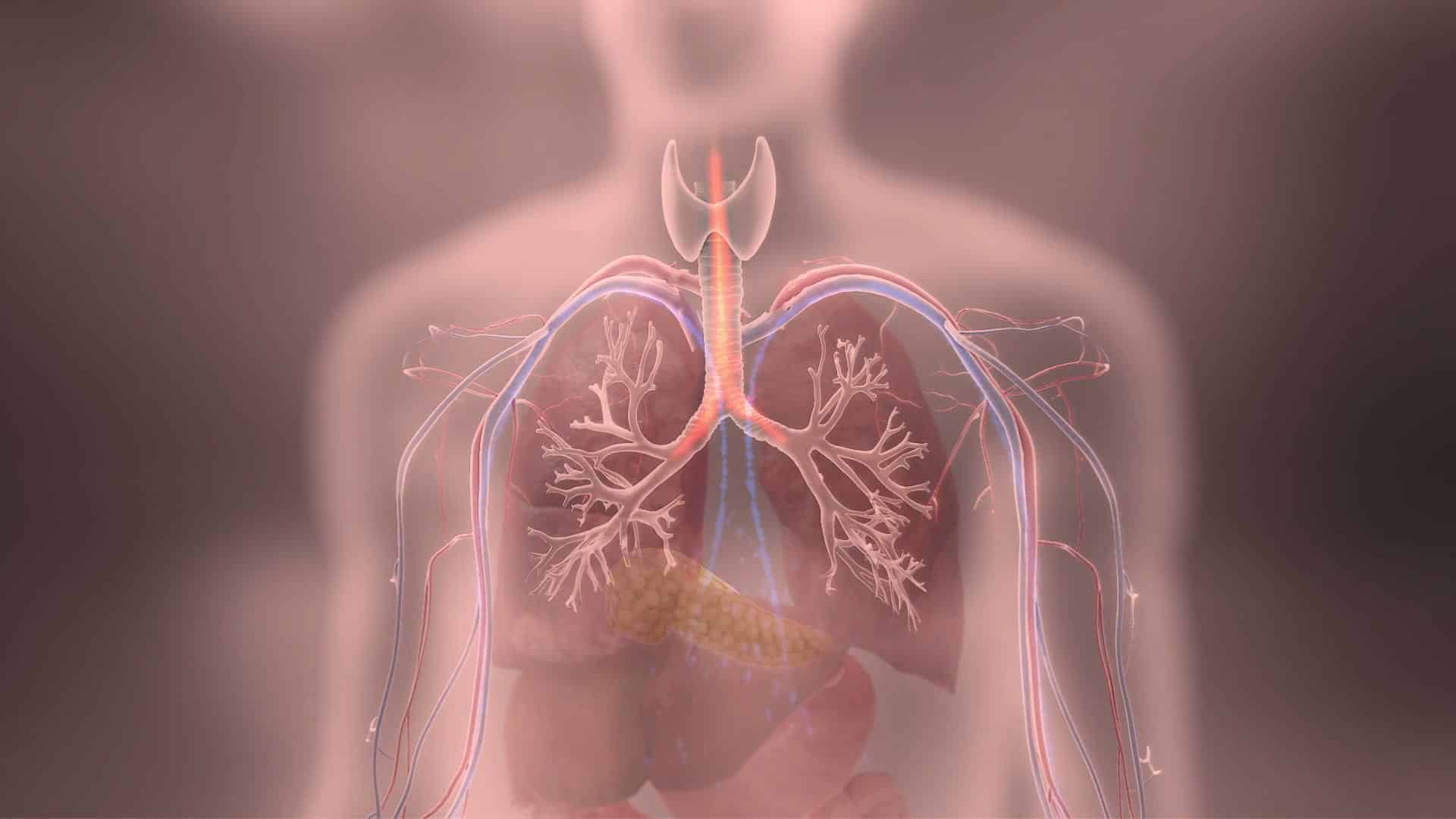
A new therapy can be brilliant science and still be hard to explain. The data lives in papers and slide decks. The action happens at a scale no camera can reach: a molecule finding its receptor, a pathway switching off, a cell changing its behavior. A mechanism of action animation, or MOA animation, makes that invisible story visible, so a physician, an investor or a patient can understand it in a couple of minutes.
Key takeaways
- An MOA animation shows how a treatment works at the molecular, cellular and clinical level.
- Pharma and biotech teams use one film across many audiences: physicians, sales teams, congress booths, investors and patients.
- Accuracy comes first. Every frame is built from the science and reviewed by the client’s medical experts and MLR team.
- A good MOA animation is designed to be cut into shorter versions from day one.
What an MOA animation shows
Most MOA animations follow the same arc, zooming in and back out:
It starts with the disease. Before showing what a therapy does, the film shows what has gone wrong: an overactive immune response, a missing enzyme, a tumor that has learned to hide. This is where the viewer meets the patient’s problem, and it gives everything that follows a reason to matter.
Then it finds the target. The camera travels into the body to the exact receptor, protein, enzyme or cell the therapy is designed to act on. Getting the shape, scale and location of that target right is where scientific accuracy matters most, because physicians will notice.

Next comes the action itself. This is the heart of the film: the molecule binding to its receptor, a signal being blocked, a pathway switching on or off. Animation can slow this moment down, show it from any angle and label each step, so a process that takes milliseconds becomes something you can follow.
Then the effect spreads. One molecular event leads to changes in cells, then tissue, then whole organs. Showing that chain of cause and effect is what turns a mechanism into a story, and it’s the part static diagrams struggle to explain.
Finally, it returns to the patient. The film zooms back out to show what all of this means for the person being treated, tying the science to the outcome your clinical data supports.
The zoom is what makes the format work. Moving from a patient to an organ to a cell to a molecule, and back, gives viewers a mental map they keep long after the video ends.
Who uses MOA animations
One MOA animation rarely has a single audience. Most become a core asset that the whole organization uses for years.
Medical science liaisons and sales teams use them in conversations with physicians, often on a tablet in a short meeting. A clear animation lets them explain the science in two minutes instead of twenty, and keeps the message consistent across every representative.
Medical congresses and trade shows play them on booth screens, usually as a silent loop with on-screen labels. A striking MOA loop is one of the best ways to stop a busy physician walking past.
Product launches and internal training use them to bring every team, from marketing to customer service, up to speed on how the product works, so everyone tells the same story.
Investor relations teams use them to explain a pipeline asset to analysts and investors who aren’t scientists, often in earnings presentations or on the company website.
Patient education uses a simpler version to help people understand their treatment, which can make them more confident in sticking with it.
Why animation instead of slides or diagrams
A static diagram shows the pieces. Animation shows the process: the order things happen in, what causes what, and how fast. It also lets you go places no other medium can, such as inside a cell membrane or through a blood vessel, with every structure in its correct shape and scale. And because it’s built in 3D, the same models can be reused for print, posters, interactive pieces and future indications.
How an MOA animation is made
Science review. Every project starts with reading. We study the prescribing information, published papers and your medical team’s materials, then agree with you on exactly what the film must show, and just as important, what it must not imply.
Script. Next comes a plain-language narration written so a non-specialist can follow it and your medical and regulatory reviewers can check it line by line. Most of the important decisions happen here, when changes are still quick.
Storyboard and style frames. Before any animation starts, every key scene is drawn and a visual look is designed: color, lighting, level of realism. This is when you see the film for the first time and can make sure it fits your brand.
Modeling and animation. Molecules, cells and anatomy are built in 3D from scientific references, then animated. Because the models are built accurately, they can be reused later for print, interactive pieces and future films.
Review rounds. Your medical, legal and regulatory (MLR) team reviews each stage. Building review into the schedule from the start keeps changes small and keeps the project on time.
Sound and delivery. Finally we add voiceover, music and sound design, and deliver the finished film along with every cut you need, from a short version to a silent booth loop.
Planning tips for pharma and biotech teams
Start with one sentence. If viewers remember only one thing about your therapy, what should it be? Write that sentence before anything else and build the film around it. It keeps the script focused and makes every review easier.
Bring your reviewers in early. Sharing the script and storyboard with your MLR team before animation begins is the single best way to avoid expensive changes late in production.
Plan the versions up front. A full-length film, a short cut, a silent booth loop and high-resolution stills for print can all come from the same production, but only if they’re planned from the start.
Match the depth to the audience. Physicians want to see the pathway; patients want to know what the medicine will do for them. One film rarely serves both perfectly, so many teams make two versions from the same 3D assets.
Think about the next indication. If your therapy may be approved for other conditions later, 3D assets built carefully now will make future films faster to produce.
Our medical animation work
Pixeldust has created medical animation since 2010 for pharma and biotech companies, health systems, researchers and medical educators, including WebMD, Medscape, NIH and Mayo Clinic.
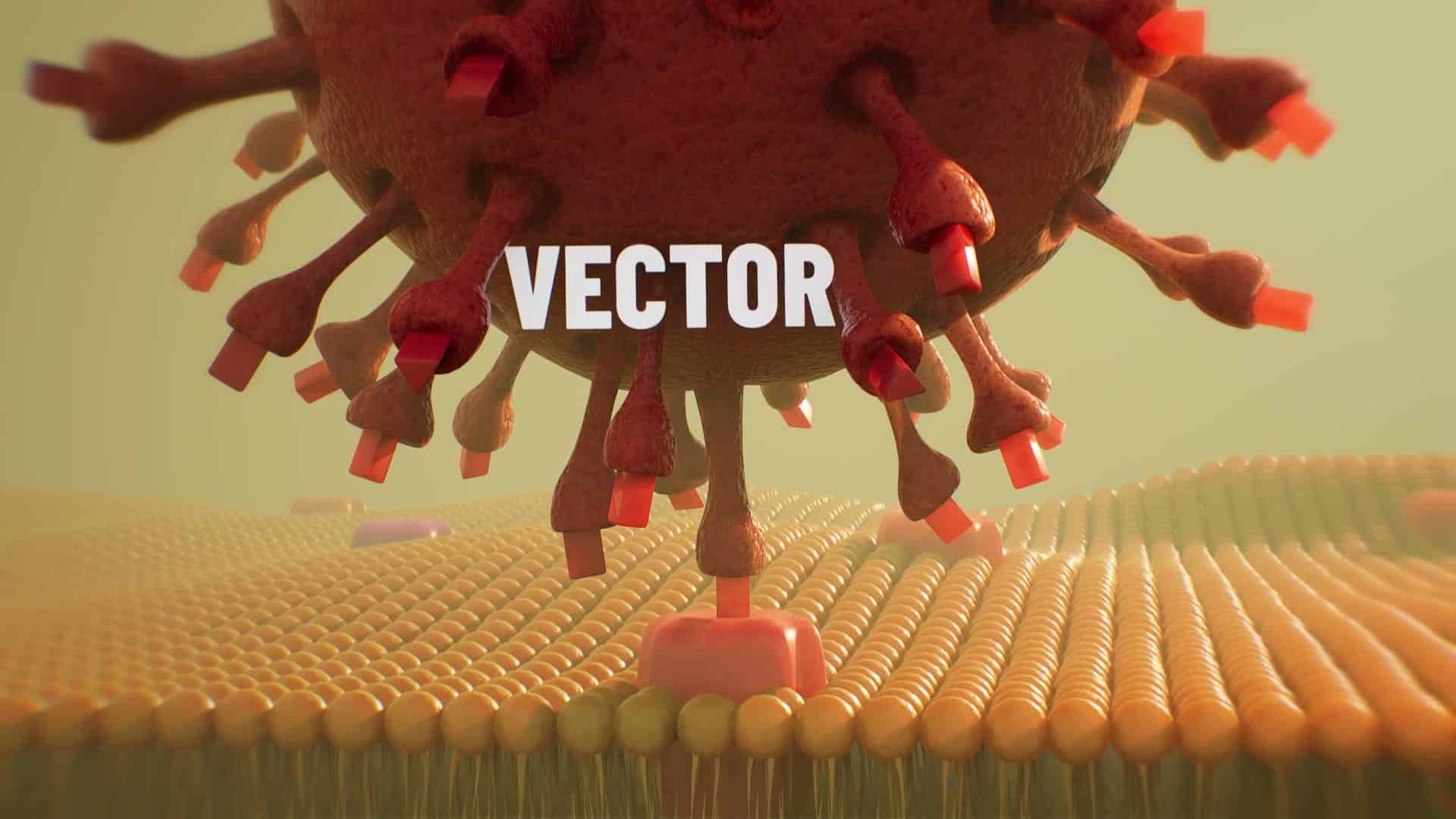
For the Cystic Fibrosis Foundation, we showed the challenges genetic therapies face on their way to the cells that need them: from the lungs, through thick mucus, to the receptors on the cell surface where a delivery vector has to dock. For WebMD, we explained how a T-cell therapy finds and kills lymphoma cells, and for Medscape, the mechanisms of B-cell depletion. Other films have shown how hepatitis C damages the liver and how mantle cell lymphoma behaves inside the body.
See the films in our mechanism of action animations case study.
FAQ
How long is a typical MOA animation?
Most run between one and three minutes, with shorter cuts for booths, social media and meetings. The right length depends on how much of the story your audience needs.
How long does it take to produce?
It depends on the complexity of the science and the number of review rounds. We’ll map out a realistic schedule, including MLR review, before production starts.
How much does an MOA animation cost?
It depends on the complexity, the length and how many versions you need. It’s often less expensive than people expect, and we’ll give you a clear quote.
Can MOA animations be used for patients?
Yes, with a simpler script and visuals. Many clients make a physician version and a patient version from the same 3D assets.
Do you work with our medical and regulatory reviewers?
Yes. Review rounds with your medical, legal and regulatory team are built into every stage of production.
Need to show how your therapy works?
Pixeldust is an Emmy Award-winning studio that has turned complex science into clear, accurate animation for more than 15 years. See our medical animation work, or tell us about your project.